Beyond the Tourist Map: Why Your Next Trip Should Be a Lifestyle, Not a Vacation

By: The FastAlo Team — Travelers first. Decision-makers always.
Introduction
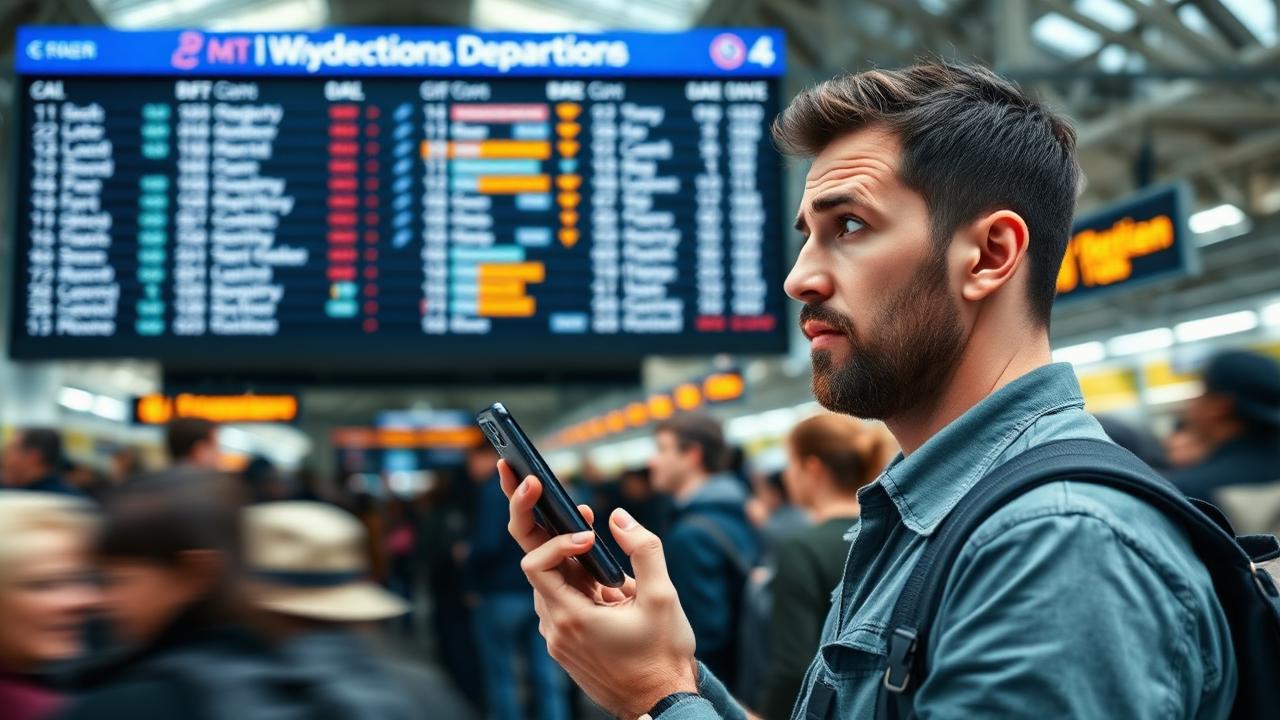
You've seen the photo a thousand times: a crowded square in Rome, a line two blocks long for a croissant in Paris, or a traveler standing on a street corner in Tokyo, staring desperately at a phone that says "No Service." We've all been there—standing in a beautiful place, yet feeling completely disconnected from it.
The truth is, most people travel to "collect" places like stickers in an album. We treat cities like items on a grocery list: see the landmark, take the photo, and tick the box. But in 2026, the real luxury isn't seeing more; it's staying longer. It's the shift from being a spectator to being a participant in a new city's rhythm.
The Problem: The "Checklist" Fatigue
Why do we return from vacations feeling like we need another vacation? It's because we treat travel like a high-stakes job where the "KPI" is the number of monuments visited.
The Sprint: Trying to squeeze five cities into ten days. This turns your trip into a logistical nightmare of packing, unpacking, and checking out of hotels.
The Surface Level: Following the "Top 10" lists on TripAdvisor, which effectively means you are seeing a filtered, commercialized version of a culture.
The Constant Friction: Spending 30% of your day solving "connectivity" or "transport" problems because you didn't plan the infrastructure of your trip.
The result? You come home with a full camera roll, but you can't remember what the city actually felt like at 7:00 AM on a Tuesday morning.
The Insight: The "14-Day Subscription"
Here's a different way to think: Stop "visiting" cities and start "subscribing" to them.
The magic happens when you cross the one-week mark. That is the exact moment you stop looking for the "Top 10" things to do and start finding the one bakery that makes your favorite bread. You stop being a "visitor" and start being a "temporary resident."
💡 The Insight: Real travel isn't about the distance you cover; it's about the depth you reach. When you slow down, the city stops performing for you and starts living with you.
The Breakdown: The 3 Pillars of "Slow" Travel
The Infrastructure of Freedom: You cannot be "free" if you are tethered to a hotel lobby because the WiFi is flaky. To live anywhere, your digital bridge must be invisible, secure, and rock-solid.
The Local Orbit: Instead of seeing the whole city, own one neighborhood. Know the barista's name, find the shortcut through the park, and learn the specific time the local market puts out the fresh fruit.
Productive Presence: Whether you are a digital nomad or just on a long break, having a "mission" for the day anchors you. It gives you a reason to exist in the city that isn't just "consuming" it.
Don't Just Travel. Live There.
Build your digital bridge before you fly. Stay connected in 190+ countries.
The Action: How to Reclaim Your Trip
✔ The "Two-Week" Rule: Whenever possible, pick one city for 14 days instead of four cities for 3 days each. The cost is often the same, but the value is 10x higher.
✔ The "Pre-Flight" Connection: Never leave your home country without your data infrastructure already live. Waiting until you land to "find a SIM" is an amateur move that costs you your first 4 hours of peace.
✔ The "Analog" Morning: Spend your first two hours in a new city without a map. Just walk until you're hungry. Trust your instincts, not an algorithm.
✔ The "Local" Simplicity: Eat at least one meal a day from a grocery store or local market. It forces you to interact with the city as a resident, not a customer.
The Shift: Preparation is the New Spontaneity
We often think that "planning" kills the vibe. It's the opposite. Spontaneity is only possible when the basics are handled.
❌ The Unprepared: Landing, feeling lost, overpaying for a taxi because you can't call an Uber, and spending your first night in a hotel room trying to get the internet to work.
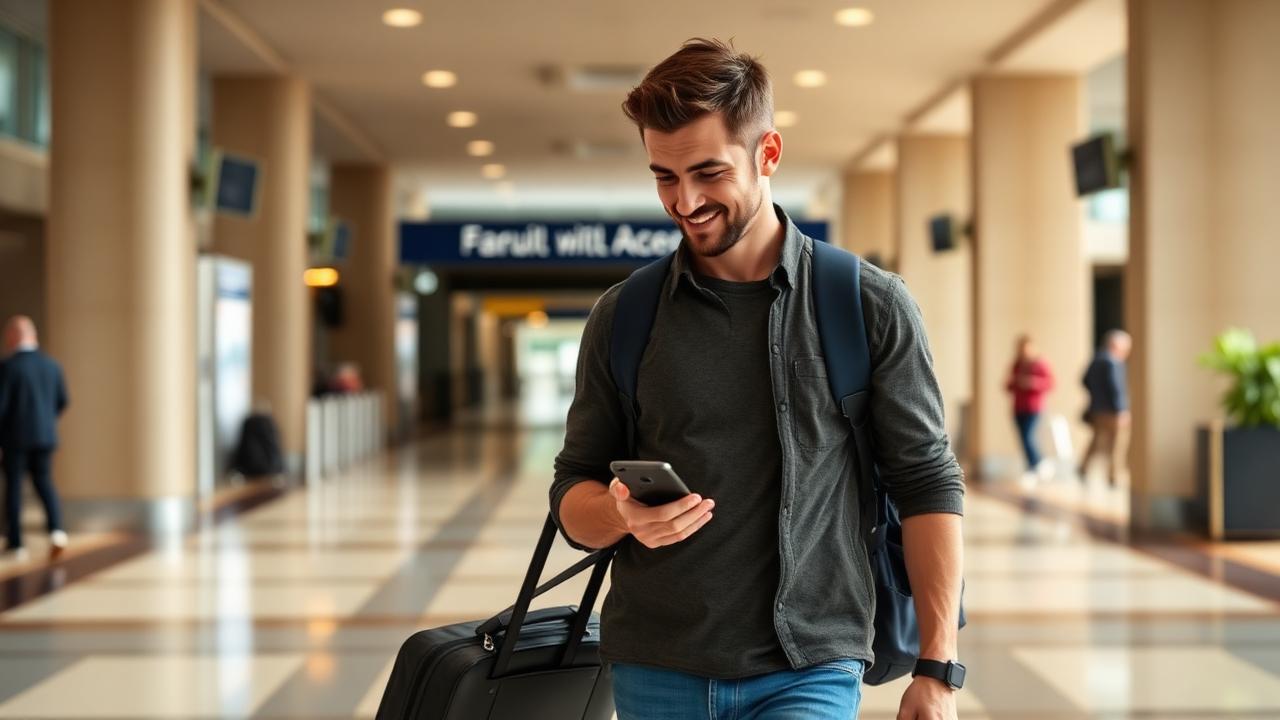
➡️ The FastAlo Way: Landing, your phone connects instantly to the local network, your ride is already booked, and you're at a local dinner while others are still standing at the airport kiosk.
The Hidden Truth: The High Cost of "Friction"
Being a tourist is expensive—not just in money, but in Decision Capital.
Every time you have to solve a basic problem (like "How do I get online?" or "How do I pay for this bus?"), You use up your mental energy. By the time you get to the museum or the beach, you're mentally exhausted from just getting there.
The hidden cost of bad preparation is a diminished experience. You can't enjoy the view if you're worried about the signal.
Final Thought
In a world that is obsessed with "faster," the ultimate power move is going "slower." In 2026, the status symbol isn't how many countries you've visited—it's how many places you've actually lived.
Don't just visit the world.
Occupy it.
Don't Just Travel. Live There.
Build your digital bridge before you fly. Stay connected in 190+ countries.
Disclaimer: This guide is for informational purposes only. FastAlo is not affiliated with any travel authorities. Connectivity performance may vary depending on location and network conditions.
Back to blog