Egypt 2026: The Art of Moving Through 5,000 Years Without Losing Control
Introduction: Egypt Is Not a Destination Anymore
For years, Egypt was treated like a checklist. You arrive in Cairo, see the pyramids, move to Luxor, visit temples, maybe take a Nile cruise, and leave with a gallery full of photos and a mind full of fragments.
It worked. But it was never complete.
In 2026, Egypt has quietly transformed into something else entirely. It is no longer just a collection of historical sites—it is a layered system where ancient scale meets modern precision. What used to feel scattered now feels connected. What used to require effort now requires awareness.
The shift is subtle, but it changes everything. Because the real challenge is no longer access. It's control.
The First Layer: Understanding What Egypt Actually Is
Egypt is not one experience. It is multiple environments stacked on top of each other.
There is Cairo, chaotic and alive, where movement is constant and decisions are fast. There is Luxor, slower but heavier, where every step carries the weight of history. There is the coast, where everything becomes lighter, more controlled, more modern. And then there are the remote spaces—the desert, the oases—where time itself feels different.
Most travelers try to treat all of this as one thing. That's where they fail. Because Egypt does not respond well to uniform thinking. It responds to rhythm. And once you understand that, the entire country starts to make sense.
The Museum That Changed the System
There was a time when visiting Egypt meant spending most of your energy outdoors. The monuments were the experience, and everything else was secondary. That is no longer true.
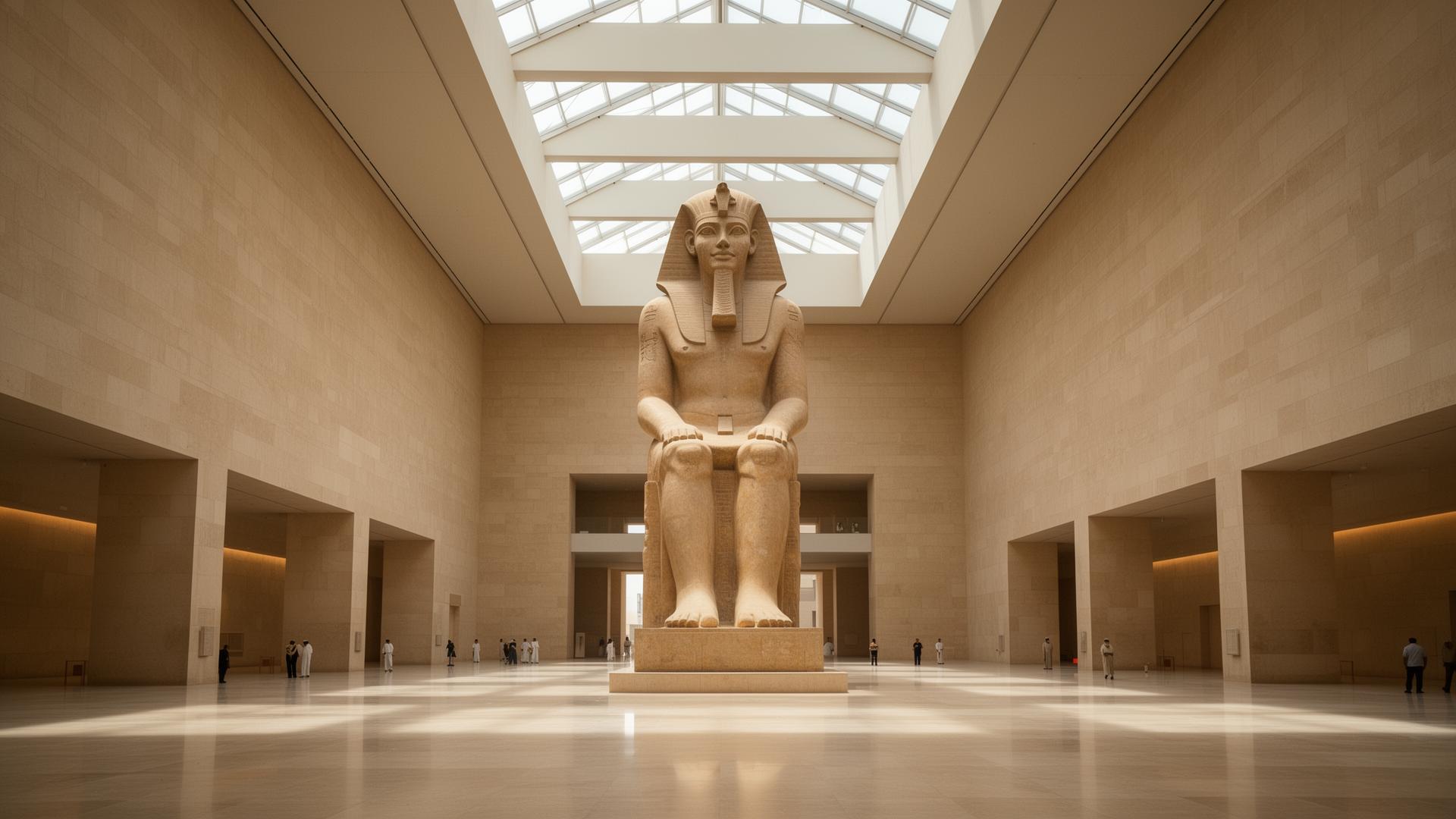
The Grand Egyptian Museum has fundamentally changed how Egypt is explored. It doesn't replace the ancient world—it reorganizes it. For the first time, you are not just reacting to what you see. You are understanding it in sequence, in structure, in context.
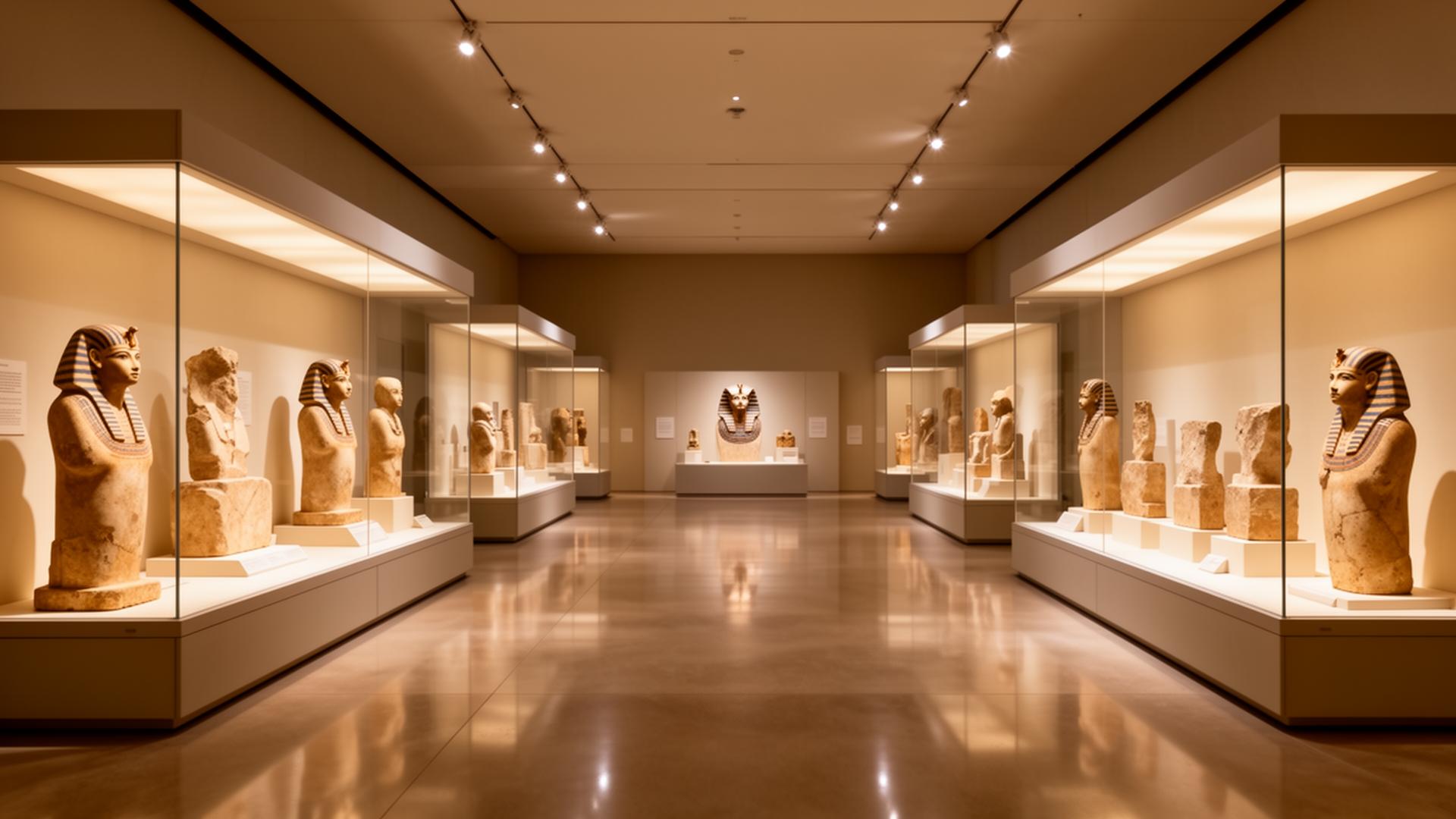
Walking through the museum is not overwhelming in the way traditional sites often are. It is controlled. It is intentional. You move through history the way it was meant to be seen—not in fragments, but as a complete narrative.
And more importantly, it introduces something Egypt has always needed: a center of gravity. From this point forward, everything else becomes easier to navigate.
Movement Is the Real Experience
Most people believe they travel to see places. In Egypt, you travel to move between them. Because the quality of your experience is not defined by what you see—it is defined by how you move from one moment to the next.
A delay at the airport. A failed connection. A wrong transport decision. None of these seem significant on their own. But together, they create friction. And friction changes everything.
It turns simple decisions into stressful ones. It drains energy that should be spent on the experience itself. It forces you into reactive mode, where you are constantly adjusting instead of moving forward.
The best trips don't eliminate movement. They optimize it.
Cairo: Where Control Begins
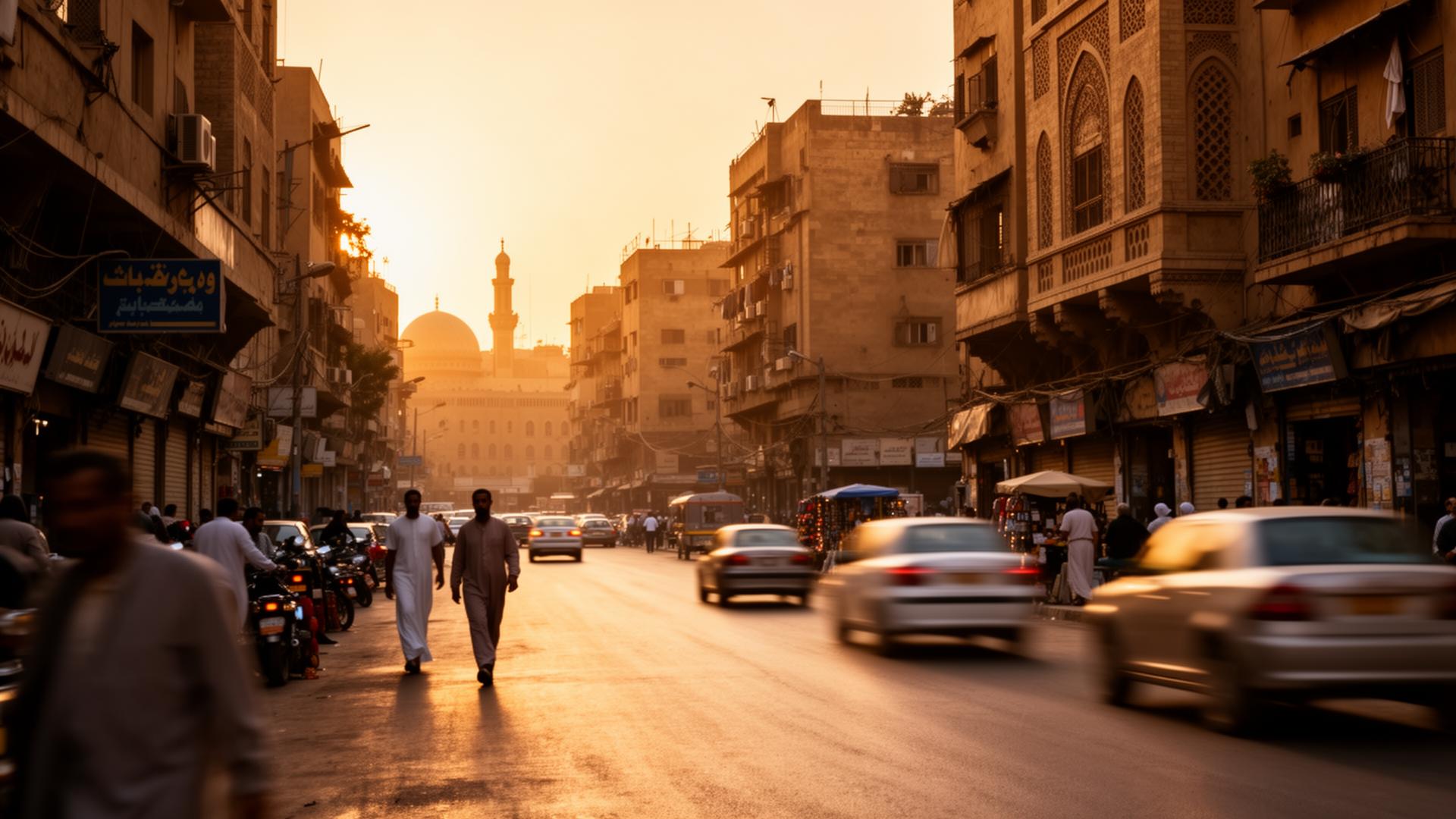
Cairo is not an easy city. It is dense, fast, unpredictable, and alive in a way that can either energize you or overwhelm you within minutes. This is where most journeys break—or stabilize.
If you arrive unprepared, Cairo takes over. You rely on whatever is available in the moment. You wait. You guess. You accept whatever comes first.
But if you arrive ready—connected, aware, and structured—the experience flips completely. Movement becomes intentional. You don't search for options. You choose between them. And that distinction defines everything that follows.
Luxor: The Shift in Time
Luxor is where most people expect to feel something. And they do—but not always in the way they hoped.
During the day, the heat compresses the experience. Everything feels heavier. The light is harsh, the energy drops, and even the most impressive structures begin to feel distant.
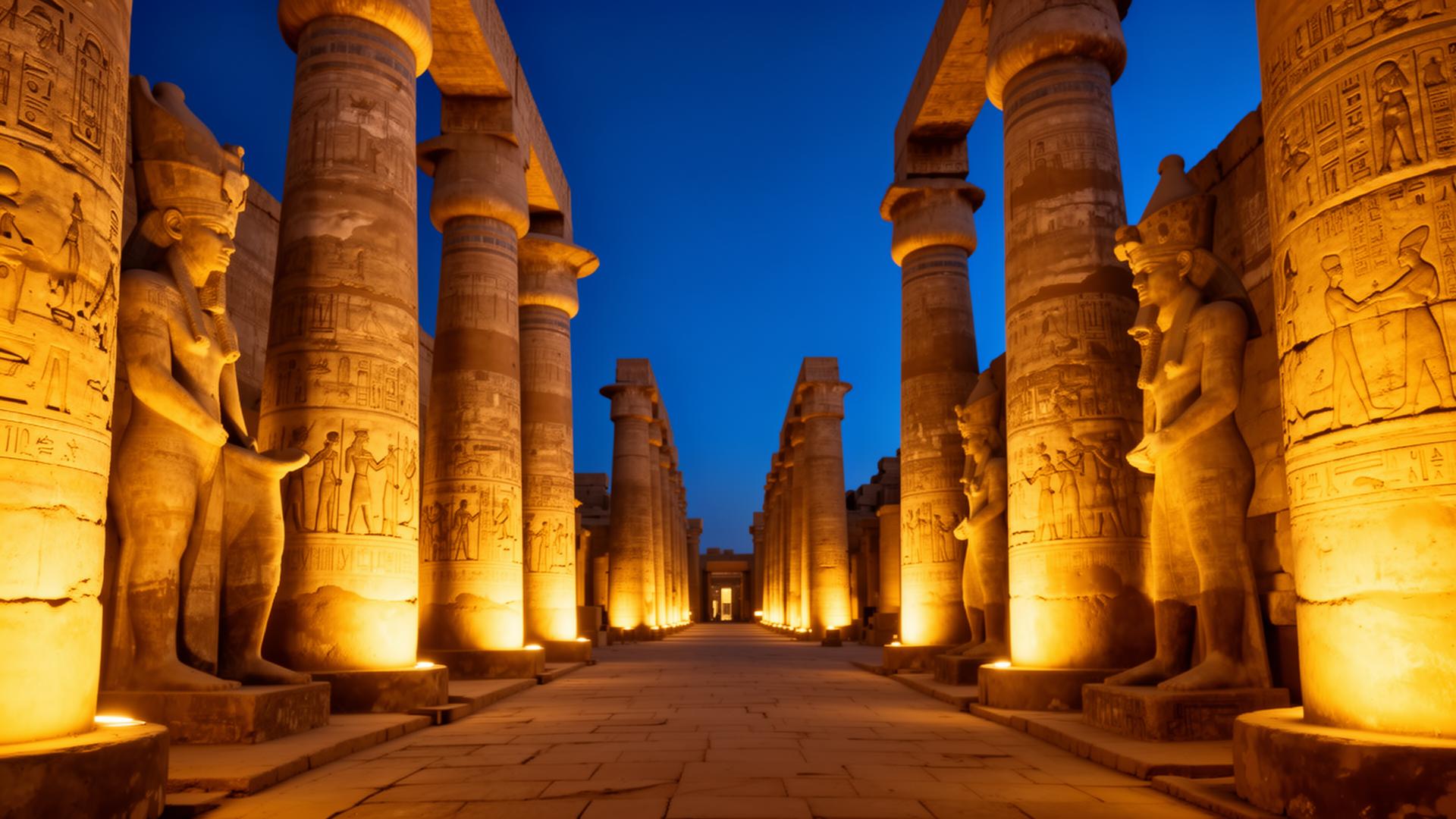
But something changes at night. The same temples that felt overwhelming become precise. The details return. The scale becomes clearer. The experience slows down enough for you to actually process it.
This is not just about temperature. It's about perception. And once you understand that, you stop trying to experience Luxor in one way. You start adapting to it.
The Spaces Between
There is a version of Egypt that exists outside the main routes. It's not hidden. It's simply less structured.
Places like Siwa, the White Desert, or even quieter stretches of the Nile offer something different. Less intensity. More space. More silence.
But these places demand something in return. They require preparation. Without it, they feel disconnected. With it, they feel like extensions of the same system—just slower, quieter, more controlled.
This is where the difference between a visitor and a prepared traveler becomes undeniable. One experiences what is available. The other experiences what is possible.

The Invisible Layer: What Most People Miss
There is one factor that quietly shapes every moment of a trip in Egypt. It is not the monuments. It is not the heat. It is not even the distance. It is access.
Access to information. Access to movement. Access to decisions in real time.
Without it, everything slows down. With it, everything aligns. This is why some travelers feel like everything is working for them, while others feel like they are constantly catching up. The difference is not experience. It is infrastructure.
Control vs Reaction
There are two ways to move through Egypt.
The first is reactive. You land, you figure things out, you adjust as you go. It works—but it costs you. Time, energy, clarity.
The second is controlled. You arrive ready. Your movement is planned. Your transitions are smooth. You spend your time inside the experience, not outside of it.
At first, the difference feels small. By the end of the trip, it defines everything.
The Real Luxury
Luxury in Egypt is not five-star hotels. It is not private tours. It is not even exclusivity in the traditional sense.
Real luxury is control. It is the ability to move when you want, stop when you need, and experience everything without friction. It is not having to think about the small things—because they are already solved.
And once you reach that point, Egypt stops feeling like a complex destination. It starts feeling simple.
Final Thought: Egypt Has Not Changed—You Have
The pyramids are still there. The temples are still standing. The desert is still silent.
What has changed is your ability to move through it all without losing control.
In 2026, the best way to experience Egypt isn't to see more. It's to move better.
Ready to move through Egypt with full control?
Activate your FastAlo Egypt eSIM before you land—stay connected, structured, and in command from the moment you arrive.
Disclaimer: This guide is for informational purposes only. Travel conditions may vary. Connectivity performance depends on local network infrastructure and device compatibility.