How to Travel Japan Smartly in 2026: The Mistakes Most Tourists Realize Too Late
By The FastAlo Team — Travelers first. Tourists second.
Japan is one of the few countries in the world that feels futuristic and ancient at the same time.
You can walk out of a station filled with digital billboards, organized crowds, and futuristic technology… then suddenly find yourself standing in front of a quiet wooden temple surrounded by silence.
That contrast is what makes Japan unforgettable.
But it's also what makes Japan overwhelming for first-time visitors.
Because, despite what social media shows, Japan is not always an "easy" destination.
Not because it's unsafe. Not because people are unfriendly. And not because the country lacks infrastructure.
Actually, the opposite is true. Japan works extremely well.
The trains are precise. The stations are massive. The cities are layered. And the systems are highly organized.
If you arrive unprepared, the experience can quietly drain your energy faster than expected.
Most travelers only realize this after landing — usually somewhere between carrying luggage through the wrong station exit, getting lost underground in Tokyo, struggling with public Wi-Fi, or discovering that "15 minutes away" in Japan sometimes means stairs, tunnels, crowds, train transfers, and long underground walks.
Japan rewards prepared travelers more than almost any country in the world. And in 2026, with tourism continuing to grow, smart planning matters more than ever.
This guide is not about "Top 10 Attractions." You already know about Tokyo Tower. You already know about Kyoto temples. And you've probably already seen the Instagram photos.
This is about how Japan actually feels once you land — and how experienced travelers move through it more comfortably and efficiently.
Why Most Travelers Underestimate Japan
The biggest misconception about Japan is this: "It's modern, so everything must be easy."
That assumption surprises many travelers within the first few days. Because Japan is efficient — but not always intuitive for first-time visitors. Especially in major cities.
Tokyo Is Bigger Than Most People Expect
People say: "I'm staying in Tokyo." But Tokyo does not feel like one city. It feels like multiple cities connected together.
Shibuya feels different from Shinjuku. Shinjuku feels different from Ginza. Ginza feels different from Asakusa. Asakusa feels different from Akihabara.
And distances that look "close" on a map can feel much larger in real life. A station may contain multiple underground levels, numerous exits, different train operators, and long walking corridors.
You don't simply "arrive." You navigate.
Walking Fatigue Is Real in Japan
Japan is a walking-heavy destination. Even when using trains constantly, travelers still walk inside stations, between transfers, through underground passages, across neighborhoods, and between attractions.
Many visitors walk more than 15,000–25,000 steps per day without realizing it.
This is why experienced travelers do not only optimize for hotel price. They also optimize location, station access, neighborhood convenience, and daily energy levels.
The Internet Problem Nobody Talks About
Many travelers assume Japan has perfect internet coverage everywhere. That is not always the case.
While Japan is technologically advanced, visitors are sometimes surprised by inconsistent public Wi-Fi, connectivity limitations underground, login restrictions, or weaker signals in crowded transit areas.
And in modern Japan, internet connectivity is no longer optional for travelers. It is part of daily navigation.
Travelers frequently depend on Google Maps, train schedules, translation apps, digital tickets, restaurant searches, and real-time route planning.
Without reliable internet, navigating large cities becomes significantly harder. Especially in Tokyo.
Why Connectivity Matters More in Japan
In some countries, travelers can improvise more easily. Japan is less forgiving when timing and navigation are involved.
Train timing matters. Platform numbers matter. Correct station exits matter. Choosing the wrong exit alone can sometimes add significant walking time.
That's why experienced travelers often prepare connectivity before landing instead of searching for solutions after arrival.
eSIM vs Pocket Wi-Fi in Japan
This is one of the most common decisions travelers face before visiting Japan. The best option depends entirely on travel style.
Pocket Wi-Fi
Pocket Wi-Fi devices remain popular for families, group travelers, and people carrying multiple devices.
However, there are tradeoffs: another device to charge, another item to carry, battery limitations, pickup and return procedures, and the possibility of losing the device.
For travelers moving constantly between cities and stations, minimizing physical items can make travel easier.
eSIM
For many modern travelers, eSIMs simplify the process significantly. Instead of searching for airport SIM cards, replacing physical SIMs, or carrying external routers, everything can be activated digitally.
Benefits may include immediate activation, keeping the original SIM active, reduced setup time, and connectivity immediately after landing.
In a country like Japan — where navigation begins the moment you leave the airport — convenience matters more than many travelers expect.
Tokyo Is Not One Experience
One of the smartest things travelers can do is stop treating Tokyo as a single destination. Each district creates a completely different atmosphere.
Shibuya: The Energy Center
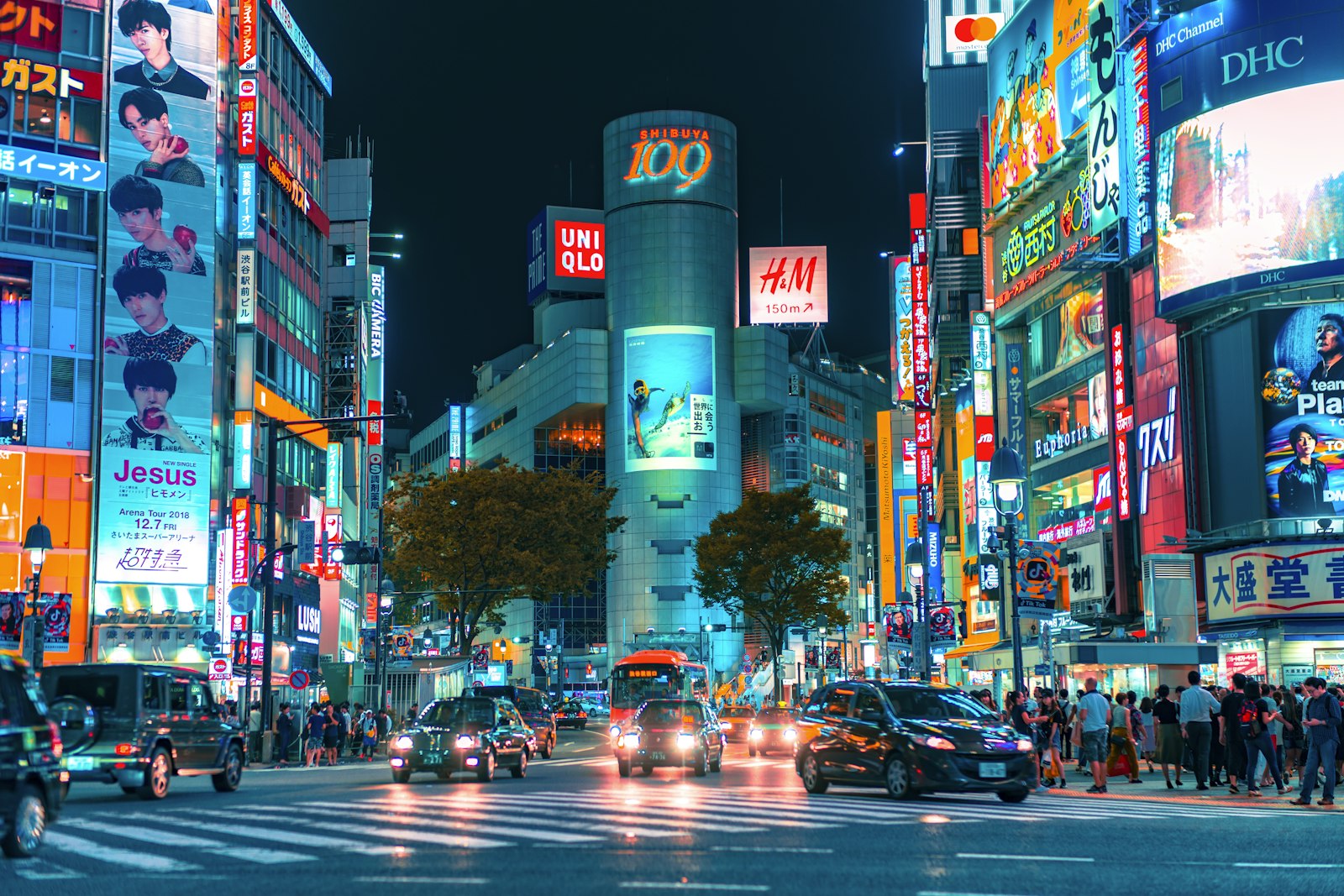
Shibuya feels fast and energetic. Large screens. Crowded crossings. Fashion. Nightlife. Youth culture.
For many first-time visitors, it feels like the Tokyo they imagined. But it can also feel crowded and overstimulating. Excellent to visit. Not always ideal for every traveler to stay in.
Shinjuku: Organized Chaos
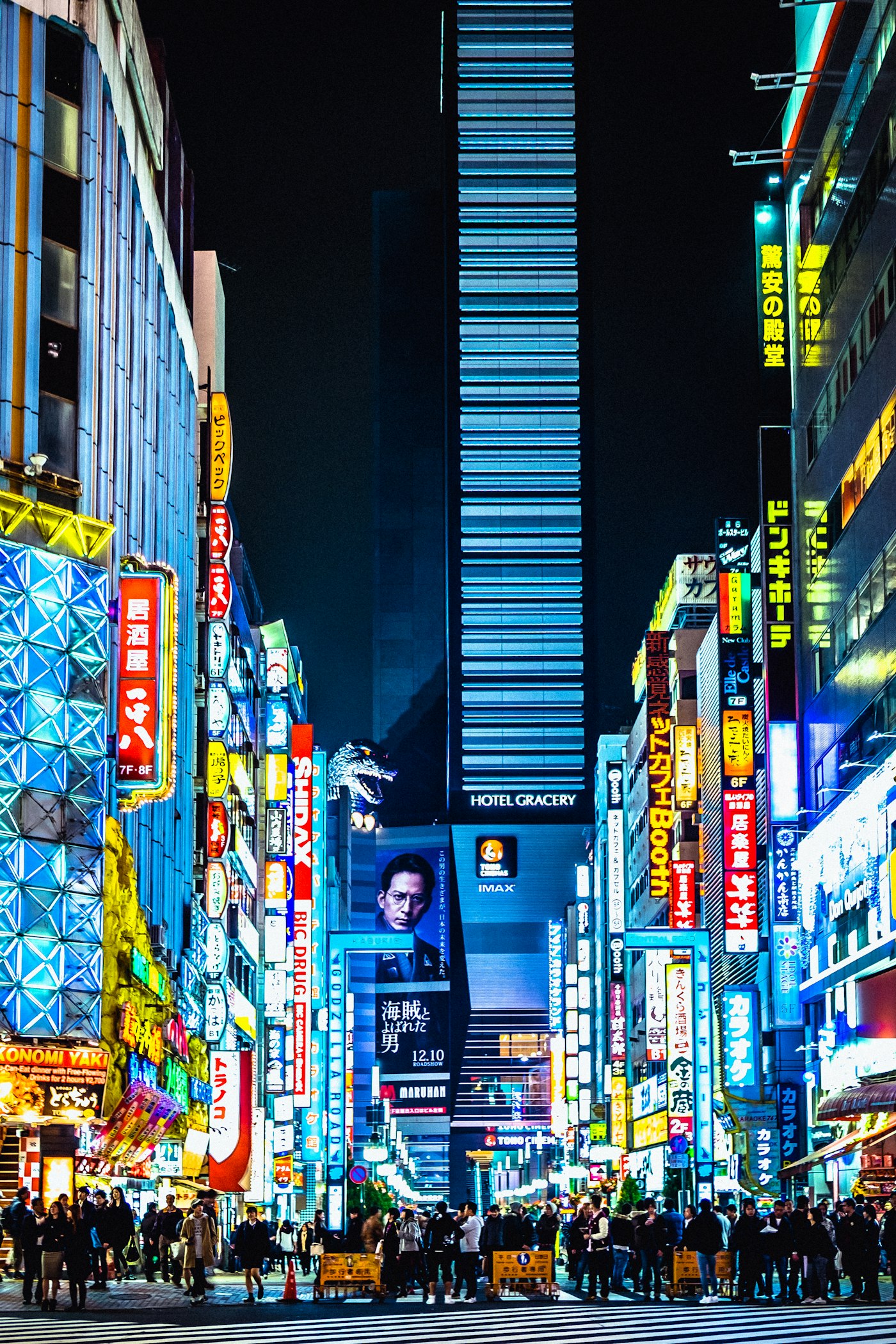
Shinjuku is one of the busiest urban areas in the world. And Shinjuku Station itself can feel overwhelming.
At the same time, it offers excellent convenience: restaurants, shopping, transportation, and major train connections. If staying here, the hotel location relative to station exits matters more than many travelers realize.
Asakusa: Traditional Atmosphere
Asakusa moves at a slower pace. It offers traditional streets, historical atmosphere, quieter evenings, and a calmer environment.
Many travelers seeking balance prefer areas like Asakusa over busier districts.
Akihabara: Technology and Entertainment Culture
Akihabara is highly specialized. It is known for gaming culture, electronics, anime-related stores, arcades, and collectibles.
Some travelers spend entire days there. Others visit briefly. Japan is highly personal, and different areas appeal to different types of travelers.
The Train System Can Save or Destroy Your Trip
Japan's railway system is one of the most efficient in the world. But it can still overwhelm exhausted travelers. Especially after long flights.
The Most Common Mistake
Many visitors underestimate train transfer complexity. On a map, a route may appear simple: "Just two stops away." But in reality, it may involve operator changes, underground walking, platform transfers, crowded stations, and multiple stairways.
Google Maps Becomes Essential
In Japan, Google Maps is more than navigation. It often becomes a train assistant, a timing tool, a platform guide, and a daily planning system.
Reliable internet connectivity, therefore, becomes extremely important throughout the trip.
Quiet Social Rules Many Tourists Miss
Japan is not necessarily strict. But it is socially aware and highly respectful of shared spaces.
Public Silence Matters
Japanese trains are often noticeably quieter than in many other countries. People usually speak softly, avoid loud phone conversations, and keep public noise low.
Travelers who respect these small cultural behaviors often enjoy smoother experiences.
Escalator Etiquette Exists
In many locations, people stand on one side and leave the other side open for walking. It may seem small, but respecting local systems matters.
Convenience Stores Are Surprisingly Useful
Japanese convenience stores are extremely practical for travelers. Visitors can often find quick meals, snacks, drinks, coffee, chargers, and daily travel essentials.
Many experienced travelers use convenience stores strategically to save time, reduce costs, and avoid unnecessary spending.
Where Japan Actually Feels Magical
The most memorable moments in Japan are not always the famous landmarks. Often, they happen between them.
Early Morning Tokyo
Before crowds fully appear. Before stations become intense. Tokyo in the early morning feels calm and cinematic.
Kyoto at Night
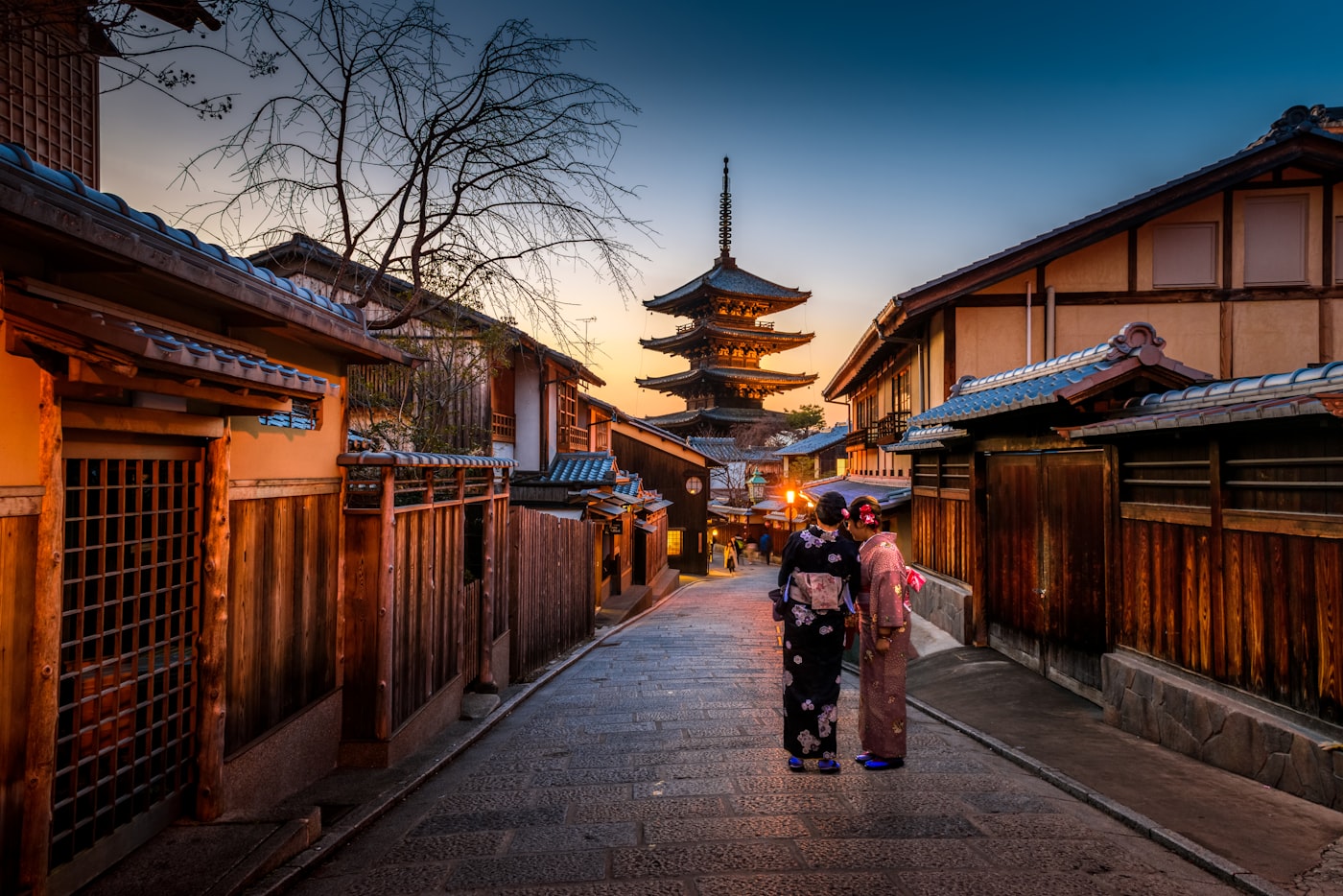
Kyoto changes atmosphere after sunset. The crowds decrease. The streets become quieter. Traditional architecture feels more immersive.
Small Streets Matter More Than Main Attractions
Sometimes the best memories come from small cafés, side streets, quiet neighborhoods, and unexpected discoveries. Japan rewards careful exploration. Not constant rushing.
Smart Budgeting in Japan
Japan can feel expensive. But often not in the way travelers initially expect.
Hotel Room Sizes Surprise Many Visitors
Hotel rooms in major Japanese cities are often smaller than international travelers expect. Especially in Tokyo. This does not necessarily reflect lower quality. It is simply part of dense urban design.
Experienced travelers often prioritize location, transportation access, and convenience over room size alone.
Transportation Costs Add Up Quickly
Travelers frequently underestimate train expenses, airport transfers, intercity movement, and luggage transportation.
Changing hotels too frequently can also create hidden exhaustion costs. Sometimes spending more time in fewer cities creates a significantly better experience.
The Biggest Mistake: Trying to See Too Much
This is one of the most common mistakes in Japan travel planning. Some visitors attempt to see Tokyo, Kyoto, Osaka, Nara, Hiroshima, Mount Fuji, Hakone, and several hidden towns… within a very short trip.
The result is often constant packing, constant movement, and unnecessary exhaustion. Japan is usually better experienced more deeply and more slowly.
The Smart Traveler Setup Before Landing
Experienced travelers prepare before boarding the flight. Not after arrival.
Download Important Apps Early
Many travelers prepare offline maps, translation tools, train apps, hotel directions, and backup screenshots. This reduces stress significantly after landing.
Prepare Connectivity Before Arrival
Travelers who struggle most are often the ones trying to solve internet issues after arriving. Reliable connectivity affects airport navigation, transportation, communication, and daily planning.
Charge Everything
Long navigation days drain batteries quickly. Especially when constantly using maps, cameras, translation apps, and transportation tools. Portable chargers become far more important than many first-time visitors expect.
Final Thoughts
Japan is not difficult because it's unsafe. It is difficult because it is detailed. Detailed systems. Detailed movement. Detailed timing. Detailed navigation.
And that is exactly what makes it unforgettable. Once travelers stop fighting the pace — and start understanding how the country flows — Japan becomes one of the most rewarding travel experiences in the world.
The travelers who enjoy Japan the most are not always the ones spending the most money. They are usually the ones who prepare intelligently. The ones who understand: movement matters, timing matters, energy matters, and connectivity matters.
In 2026, smart travel is no longer about carrying more. It is about moving more efficiently with less friction. And very few destinations reward that mindset more beautifully than Japan.
Back to blog