London Travel Guide 2026: What to Do, Where to Go & How to Experience the City the Smart Way
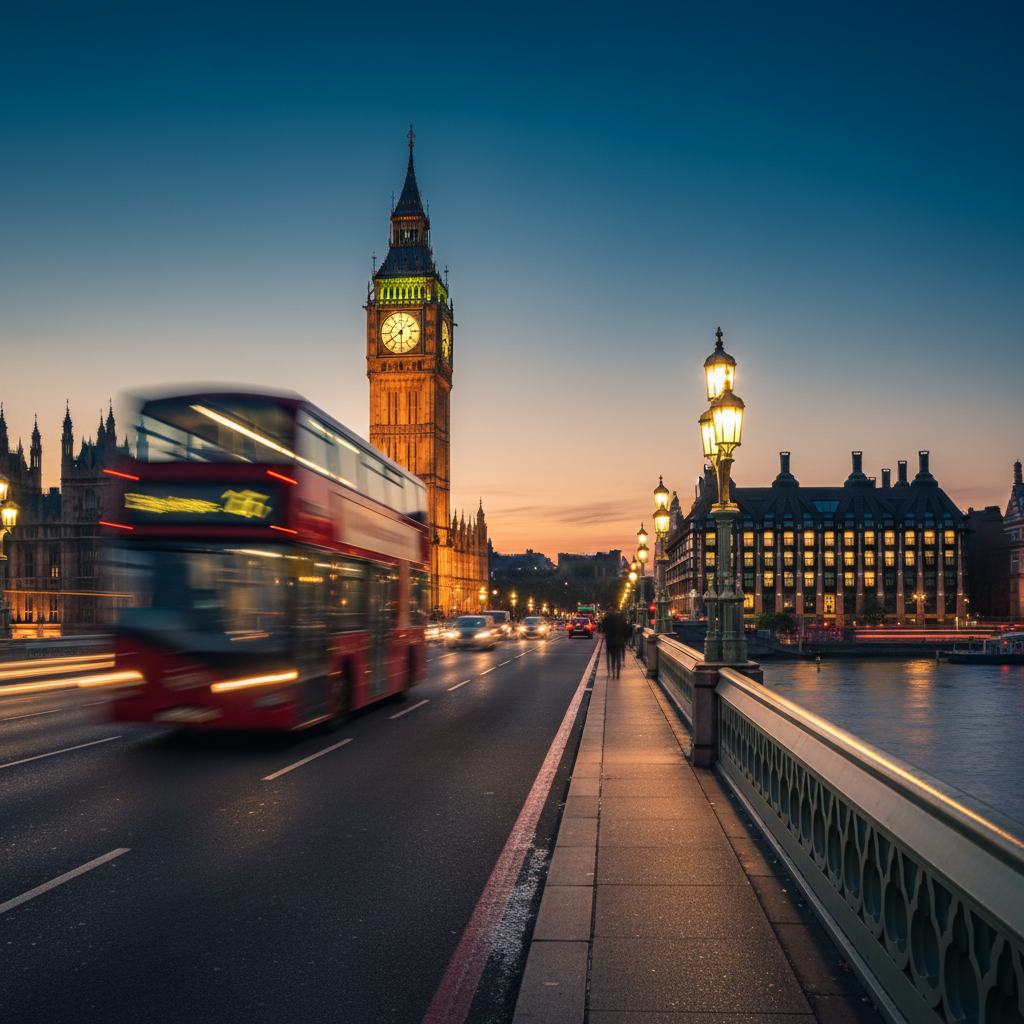
London Looks Easy… Until You Actually Try to Live It
The first time you land in London, everything feels… effortless.
The landmarks are iconic. The streets are structured. The system looks like it was designed for you. It feels like a city that will carry you.
But then — something subtle happens. You pause longer than expected at the Underground map. You hesitate before choosing a direction. You check your phone… again.
Simple decisions start to feel heavier than they should. And that's when it clicks:
London isn't hard. 👉 But it quietly punishes hesitation, confusion, and unprepared thinking.
Most travelers believe they experience London through places. But the truth is: 👉 You experience London through movement. 👉 Through timing. 👉 Through decisions.
And once you understand that… You stop visiting London — and start navigating it.
Section 1 — The Landmark Trap: Seeing Everything… Feeling Nothing
Every traveler starts with the same list: Big Ben & Westminster, London Eye, Tower Bridge, Buckingham Palace, Piccadilly Circus.
And yes — you should see them. But here's where most people fail: they treat London like a checklist.
Real scenario: A traveler tries to visit 6–7 landmarks in one day. They move quickly. They take photos. They tick everything off. By the end of the day they've technically "done London." But emotionally? 👉 It barely touched them.
Because movement replaced presence. Because speed replaced depth.
👉 London is not designed to be completed. 👉 It's designed to be absorbed.
The smarter approach: Group locations by proximity, not popularity. Stay longer in fewer places. Let the environment settle into you.
👉 In London, less movement = more experience.
Section 2 — Beyond the Postcard: Where London Actually Begins
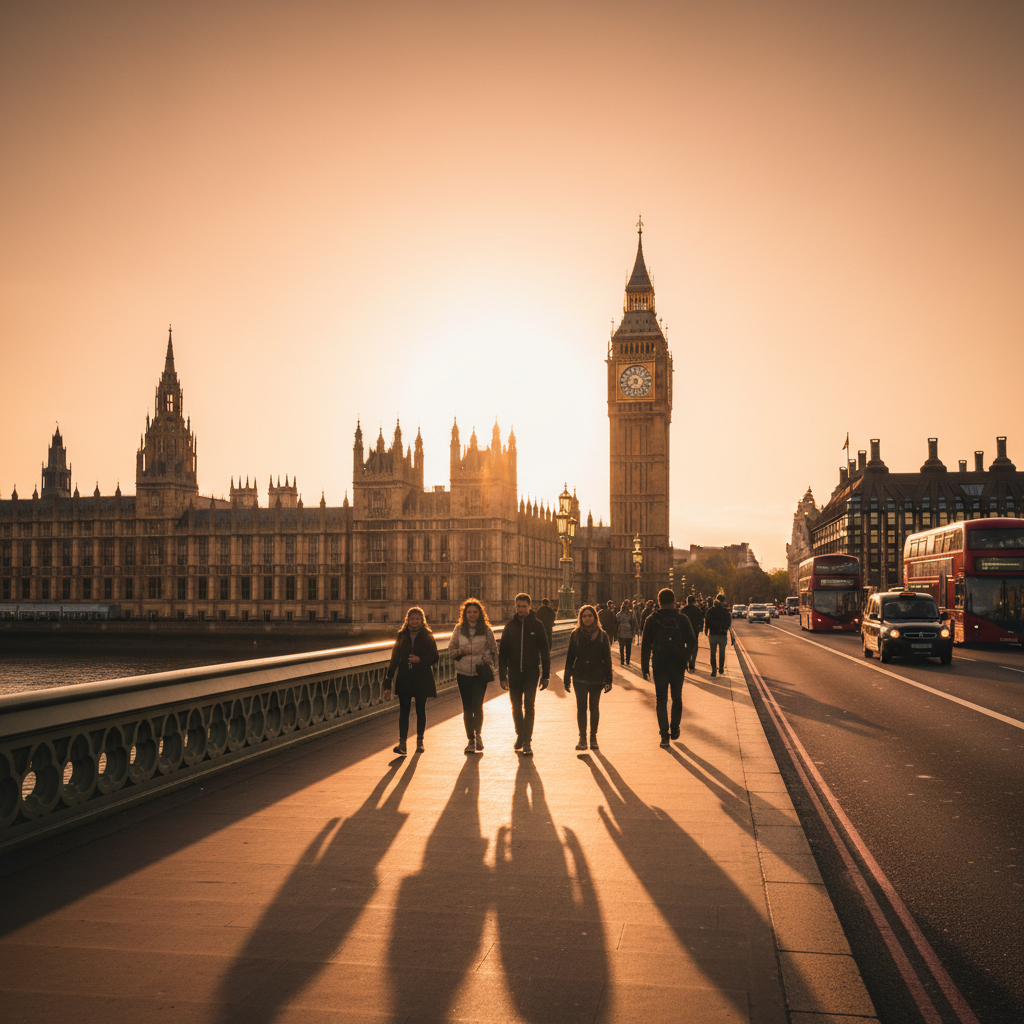
Landmarks show you London. But they don't define it. The real London begins the moment you step outside the tourist loop.
The parts of London you remember… are rarely the ones you planned.
Camden Market → loud, messy, alive. Notting Hill → quiet, colorful, cinematic. Shoreditch → raw creativity, street art, energy.
Real contrast: Traveler A spends 3 days between major landmarks → leaves saying: "It was crowded and expensive." Traveler B spends one afternoon walking through backstreets, markets, and neighborhoods → leaves saying: "London felt alive."
👉 Same city. Different depth.
Smart move: Plan your landmarks. But schedule unstructured time. 👉 Because the best parts of London… are the ones you don't chase.
Land in London. Be Online Instantly.
Skip Wi-Fi hunting and roaming fees. Activate your FastAlo eSIM before you fly.
Get Your UK eSIM →Section 3 — The Art of Movement: Why Getting Around Defines Your Entire Trip
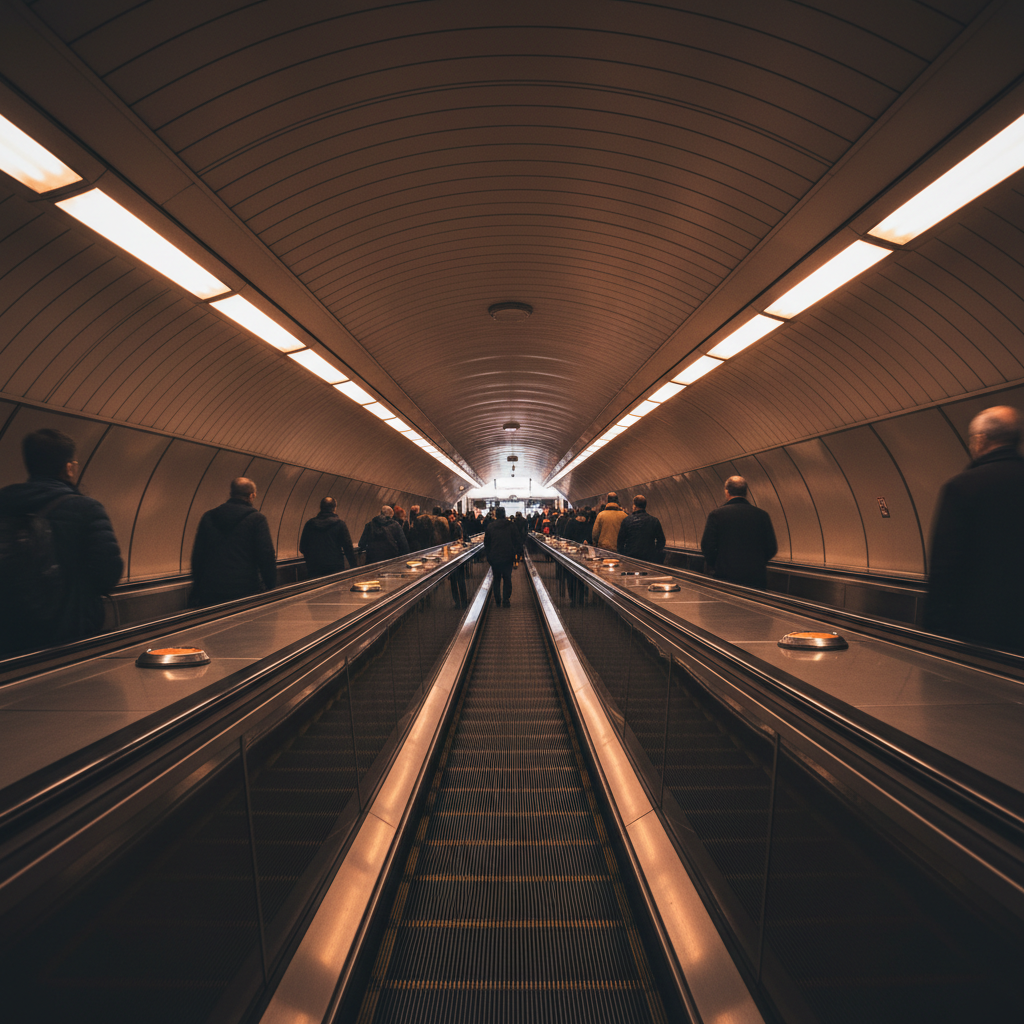
London's transport system is not just infrastructure. It's a language. And if you don't understand it — you feel lost, even when you're not.
The Underground map is not geographic — it's symbolic. One wrong direction = 30–45 minutes gone. Peak hours turn movement into stress. Transfers require awareness, not guesswork.
Real situation: You enter the Tube confidently. You pick a line. Three stops later… something feels off. You exit. Recalculate. Switch lines. What should've been simple… becomes exhausting.
👉 Not because London is confusing. 👉 But because it expects precision.
Smart system: Use a transit app such as Citymapper or Google Maps. Always check the final destination of the train. Avoid peak hours unless necessary. Walk short distances — often faster than the Tube.
👉 In London, efficiency is not optional. 👉 It's the difference between flow… and friction.
Section 4 — The Currency of Convenience: Where Your Money Actually Goes
London has a reputation for being expensive. But here's the deeper truth: 👉 London doesn't take your money — 👉 your decisions give it away.
Where most people overspend: Eating directly next to landmarks. Taking taxis instead of understanding the Tube. Booking experiences last minute. Choosing "easy" instead of "smart."
Result? Two travelers. Same trip. One spends £120/day, the other spends £250/day. 👉 Same city. Same experience. Different awareness.
Better thinking: Walk 10 minutes away from tourist areas → prices drop significantly. Use public transport intelligently. Book ahead whenever possible. Question convenience — it's rarely worth it.
👉 In London, convenience is a premium product. 👉 And most people overpay for it without realizing.
Section 5 — The Food Illusion: Too Many Choices, Too Little Truth
London is a global food capital. But abundance creates confusion.
High ratings don't guarantee quality. Expensive doesn't mean authentic. Trends distort expectations.
Real-world friction: You search "best food near me." You pick something popular. You pay £25–£30. And the experience is… 👉 Fine. Not memorable. Not worth it.
Smart setup: Go to food markets (Borough, Camden). Look for local crowds, not tourist queues. Avoid menus displayed outside with pictures. Try one "unknown" place per day.
👉 In London, the best meals are rarely the obvious ones.

Section 6 — The Digital Gap: The Small Problem That Breaks Your First Day
There is one mistake that feels minor… until it ruins your momentum. 👉 Arriving without internet.
Real situation: You land. You exit the airport. You try to check directions. Nothing loads.
Now: you can't order a ride, you can't navigate properly, you hesitate at every step. And suddenly: 👉 your trip starts with friction instead of flow.
The difference is immediate. Prepared traveler → moves instantly, confidently. Unprepared traveler → spends 2–3 hours solving basic problems. 👉 And those hours define your mindset for the entire trip.
Smart mindset: Anything your journey depends on 👉 must be ready before you land.
Don't Let Day One Break Your Trip
Activate a FastAlo eSIM in 2 minutes. Online the second you land in Heathrow.
Get Your eSIM Now →Section 7 — Two Travelers. One City. Completely Different Experiences
Type A: Moves randomly. Decides under pressure. Reacts instead of plans. Ends the trip tired.
Type B: Understands the system. Plans movement, not just destinations. Anticipates friction. Moves with confidence.
At the end: Type A says: "London is exhausting." Type B says: "London is incredible."
👉 The difference is not experience. 👉 It's awareness.

Final Thought
London is not a destination. It's a system. A system of timing. Of movement. Of decision-making.
And once you align with it — everything changes. The city slows down. The noise fades. The experience deepens.
You stop chasing London. 👉 And London starts opening to you.
FAQ
Is London worth visiting in 2026?
Yes — but only if you approach it with awareness and structure.
What is the smartest way to move around London?
The Underground using contactless payment, supported by a transit app such as Citymapper or Google Maps.
How many days do you really need?
4–5 days for a balanced, intentional experience.
Travel Smarter
Travel is not about seeing more. It's about understanding more.
The difference between chaos and flow is rarely luck. It's preparation. It's awareness. It's intention.
And in London… 👉 that difference defines everything.
Back to blog