Why Malaysia Became One of the Smartest Travel Destinations in Asia (2026 Complete Guide)
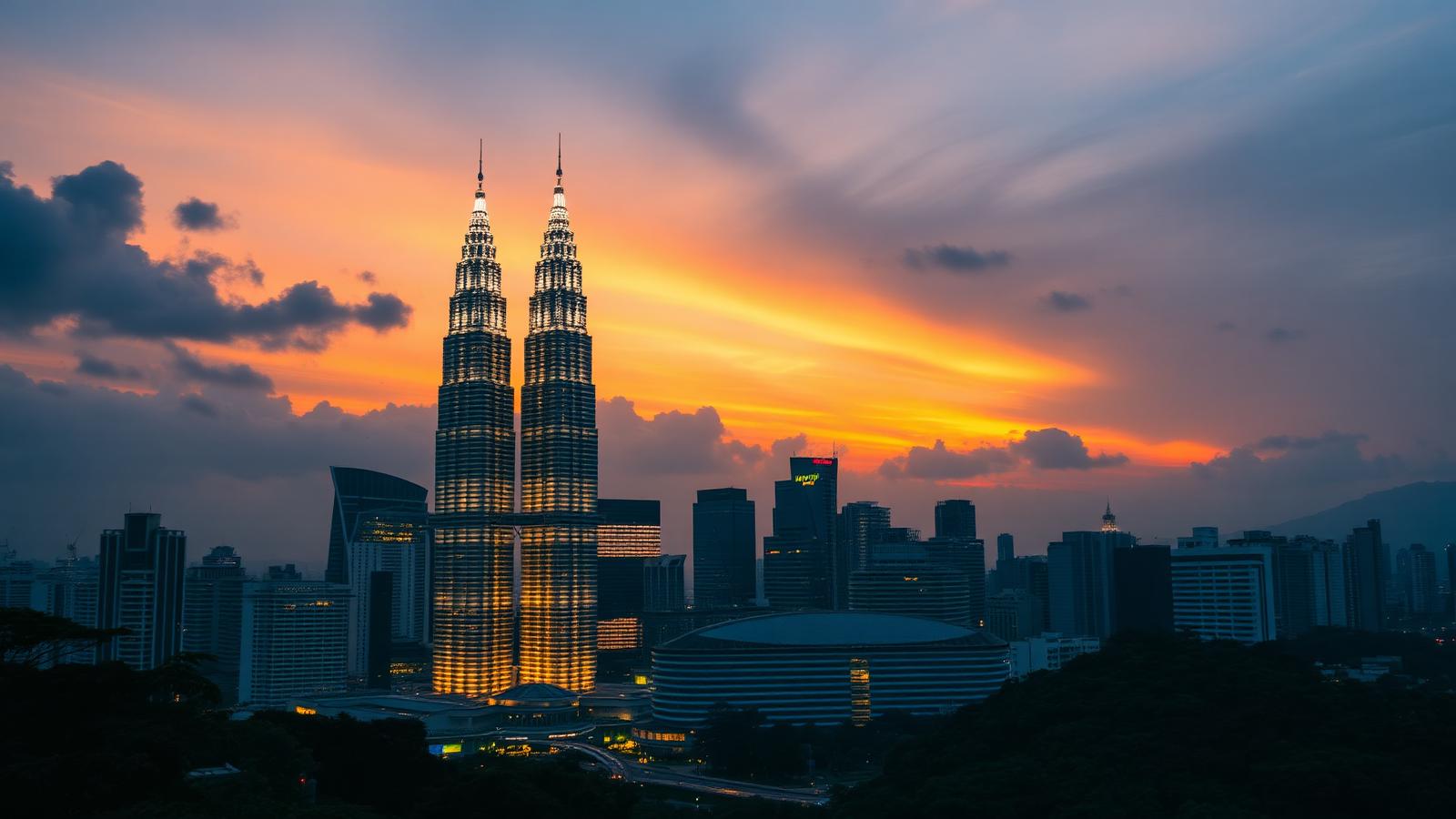
There are destinations people visit because they saw a trending reel.
And then there are destinations people continue thinking about months after returning home because the experience simply worked better than expected.
Malaysia belongs to the second category.
In 2026, global travel has changed dramatically. Travelers are no longer impressed only by famous buildings, luxury hotels, or viral social media locations. Modern travelers now prioritize something deeper:
smooth experiences
digital convenience
emotional comfort
transportation quality
airport efficiency
internet reliability
affordability
flexibility
lifestyle quality
and mental peace while traveling
This is exactly where Malaysia quietly became one of the smartest travel destinations in Asia.
Not necessarily the loudest.
Not the trendiest.
But one of the smartest.
Because Malaysia understands something many destinations still fail to understand:
Modern travelers want life to feel easier while traveling.
And Malaysia delivers that surprisingly well.
The Psychology of Frictionless Travel
One of the biggest hidden trends in modern tourism is the decline of "stress tourism."
Years ago, travelers romanticized chaos:
getting lost
struggling through language barriers
navigating confusing transport systems
carrying paper maps
hunting for internet cafés
In 2026, most people no longer want unnecessary friction.
People already live stressful lives:
nonstop notifications
work pressure
digital overload
burnout
constant decision fatigue
When they travel, they want movement to feel smoother.
Malaysia succeeds because the country quietly removes many invisible travel frustrations.
This is something travelers notice subconsciously within hours of arriving.
Arrival Psychology: Why The First Hour Matters
The first hour after landing shapes the emotional tone of the entire trip.
If travelers immediately experience:
confusion
payment problems
internet issues
transportation stress
communication barriers
Their anxiety levels increase instantly.
Malaysia performs surprisingly well during this critical phase.
Kuala Lumpur International Airport (KLIA) feels:
modern
understandable
connected
internationally accessible
For many first-time visitors to Asia, this creates immediate confidence.
And confidence changes everything psychologically.
Travelers relax faster when systems feel operational.
Kuala Lumpur Feels Like a Balanced City
Many travelers expect Kuala Lumpur to feel like:
a smaller Singapore
a cheaper Dubai
or simply another crowded Asian capital
Instead, they discover one of the most balanced urban experiences in Asia.
Kuala Lumpur works because it combines:
affordability
infrastructure
modernity
multiculturalism
comfort
and flexibility
without becoming emotionally exhausting.
That balance is rare.
Some cities are exciting but draining.
Others are comfortable but boring.
Kuala Lumpur somehow sits in the middle.
Why Kuala Lumpur Works So Well for First-Time Asia Travelers
One of Malaysia's biggest advantages is accessibility.
For travelers visiting Asia for the first time, Kuala Lumpur often feels easier psychologically than Bangkok, Jakarta, Manila, or even parts of Tokyo.
Why? Because daily life feels manageable. English is widely spoken. Apps function properly. Ride-hailing services work smoothly. Airport systems are clearer. Infrastructure feels more intuitive.
This creates an environment where travelers can enjoy exploration without feeling constantly overwhelmed.
The TRX District Changed Kuala Lumpur's Identity
The Tun Razak Exchange (TRX) district became one of the clearest examples of Malaysia's modern travel evolution.
In 2026, the district represents more than architecture. It represents how cities are changing globally.
Travelers increasingly want mixed environments, flexible spaces, urban comfort, greenery, work-friendly infrastructure, and lifestyle integration.
TRX combines luxury shopping, cafés, office towers, public green spaces, restaurants, and wellness environments inside one highly connected urban area.
This layered design makes the city feel modern without feeling cold.
The Invisible Luxury of Malaysia
Modern luxury is changing.
In 2026, travelers increasingly value convenience, time efficiency, connectivity, operational simplicity, digital readiness, and emotional comfort more than traditional luxury symbols.
Malaysia excels at these invisible luxuries. Ordering transport is easy. Payments feel smooth. Airport movement is simpler. Mobile connectivity is reliable. Daily costs remain manageable. Public spaces feel accessible.
These details quietly improve travel quality enormously.
Malaysia Quietly Became a Digital Traveler's Paradise
Modern travel runs entirely through smartphones. Today, travelers depend on mobile devices for maps, payments, airline updates, hotel access, ride-hailing, translation, reservations, remote work, emergency communication, digital tickets, and navigation.
Without stable internet access, even simple travel tasks become stressful.
Malaysia performs strongly in this category. The country's digital infrastructure makes travel feel operational rather than chaotic.
This matters because operational travel feels relaxing.
Why Connectivity Became Essential to Travel
People often underestimate how psychologically important internet access has become.
Without connectivity, airports become stressful, navigation becomes harder, transportation slows down, communication becomes unreliable, and travel confidence decreases.
Malaysia understands this modern reality. Across major cities and tourist areas, mobile infrastructure is strong, digital systems are integrated, transportation apps function properly, and online services are deeply embedded into daily life.
This creates smoother travel behavior overall.
Kuala Lumpur's Café Culture Quietly Exploded
One of the biggest lifestyle shifts in Malaysia is café culture. Kuala Lumpur increasingly supports remote workers, digital nomads, entrepreneurs, content creators, freelancers, and long-stay travelers.
Modern cafés now offer high-speed internet, workspace environments, premium coffee culture, social flexibility, and productivity-friendly layouts.
This changed how people experience the city. Travelers no longer only "visit" Kuala Lumpur. Many temporarily live inside it.
Why Malaysia Works for Digital Nomads
Remote work fundamentally changed tourism. People increasingly travel for months instead of days, for lifestyle instead of tourism, for flexibility instead of strict itineraries.
Malaysia adapted extremely well to this trend. The country offers affordable apartments, coworking spaces, strong internet, transportation systems, food accessibility, international airport access, and relatively comfortable long-term living.
The DE Rantau digital nomad initiative accelerated this shift further. By making long-term remote work more accessible, Malaysia positioned itself as a future-oriented destination.
The Cost-to-Quality Ratio Is Outstanding
Malaysia offers one of the best value equations in Asia. Travelers can realistically access premium hotels, rooftop dining, luxury malls, modern transportation, beautiful resorts, digital convenience, and high-quality cafés at prices dramatically lower than many global cities.
This becomes increasingly important during periods of global inflation. Many travelers are now searching for high quality without financial destruction. Malaysia fits that demand perfectly.
Langkawi: The Psychological Reset Destination
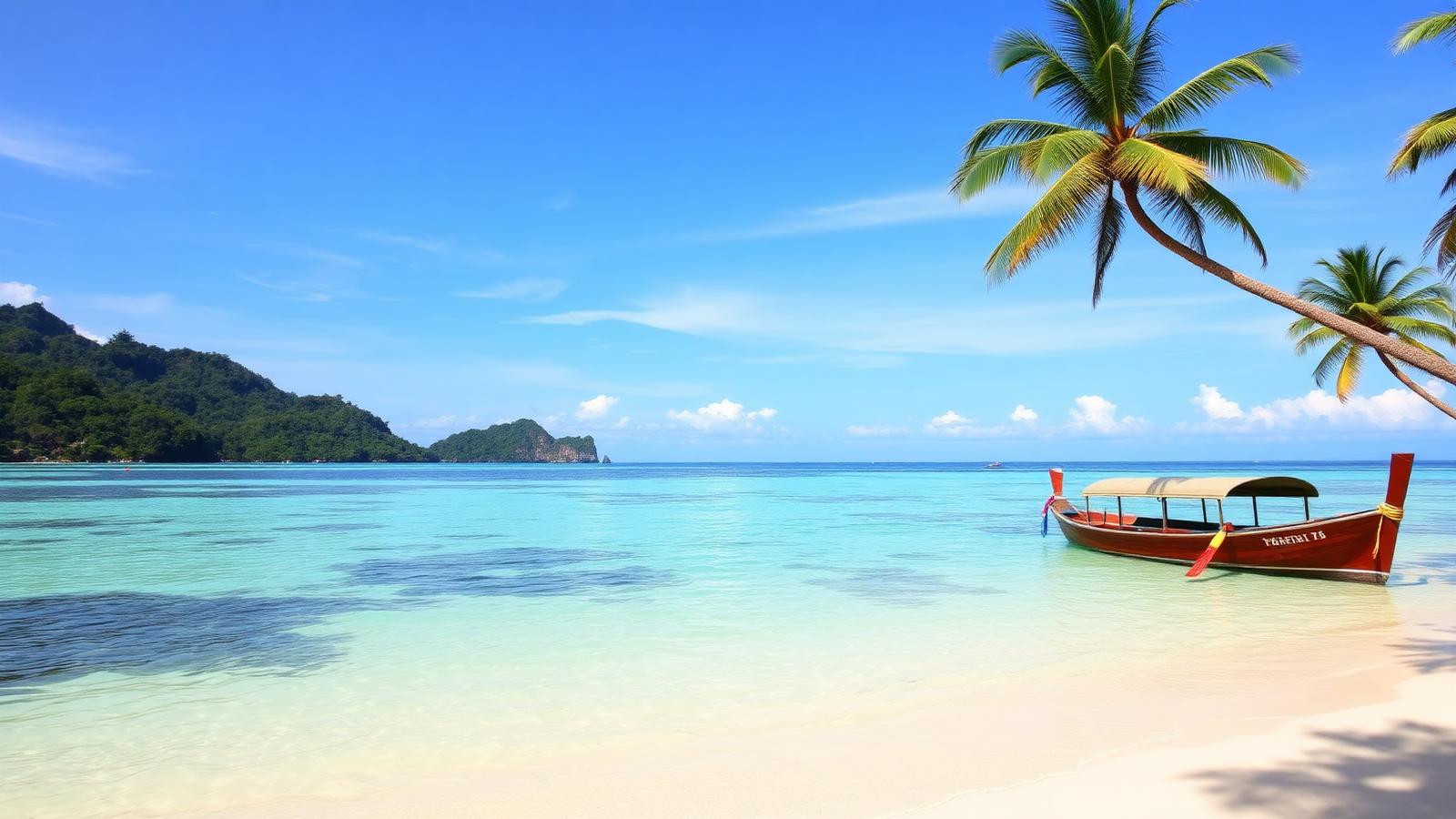
Langkawi represents a completely different version of Malaysia. While Kuala Lumpur feels energetic and connected, Langkawi feels slower and calmer. And modern travelers increasingly need both.
Langkawi became popular because it offers beaches, tropical scenery, a slower pace, luxury resorts, island experiences, and quiet environments without feeling excessively commercialized.
The island works psychologically because it allows travelers to mentally decompress. That emotional reset became one of the most valuable experiences in modern travel.
Slow Travel Became the New Luxury
For years, tourism focused on speed: more cities, more countries, more attractions, more checklists.
Now the trend is changing. People increasingly want slower experiences, meaningful moments, emotional calm, fewer transitions, and better quality days.
Langkawi fits this trend perfectly. Travelers often stay longer than planned, spend more time inside resorts, disconnect from pressure, and focus on atmosphere rather than schedules.
This is one reason Malaysia performs well among burned-out professionals and long-term travelers.
Penang Became One of Asia's Most Interesting Food Cities
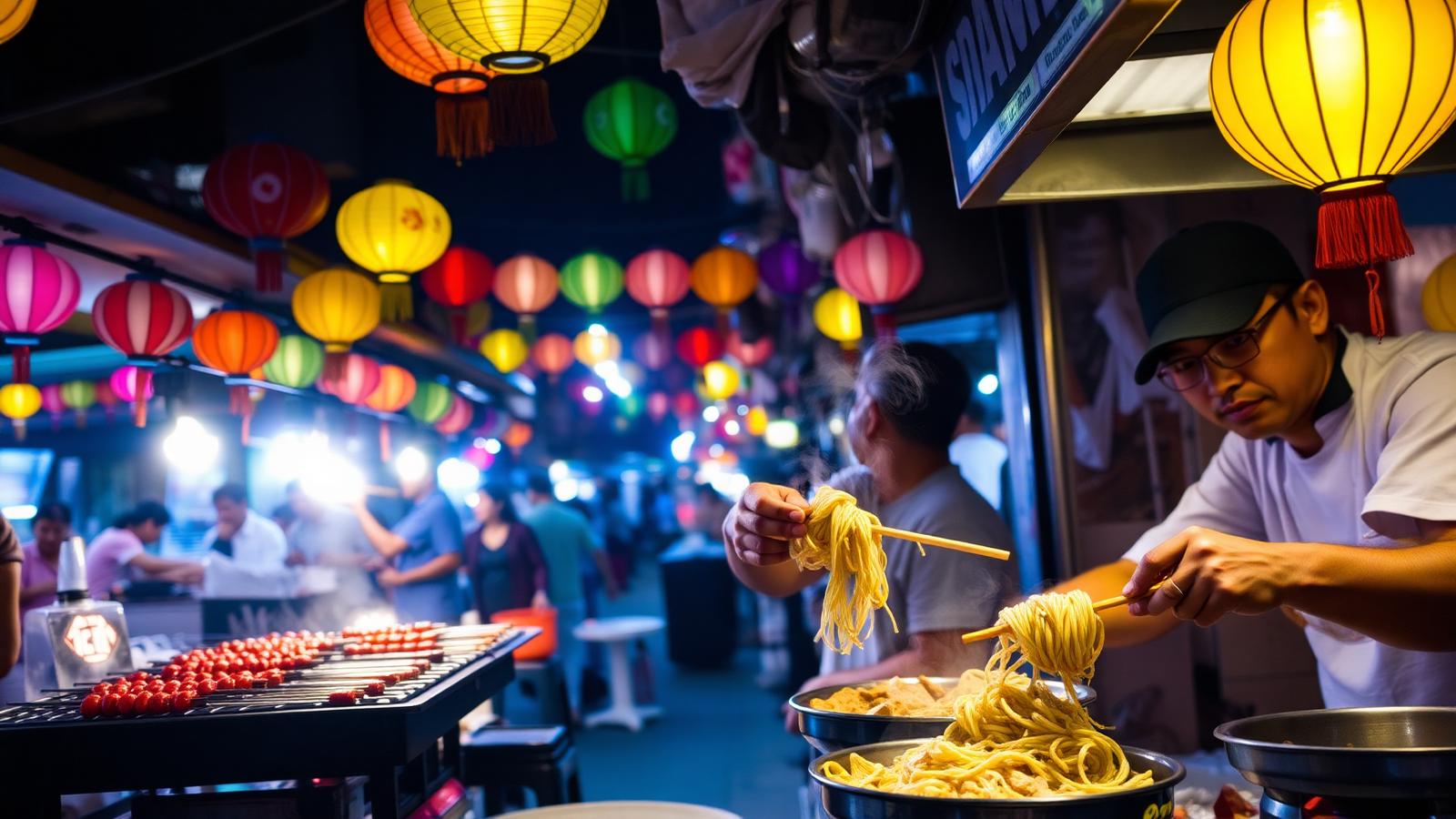
Food in Malaysia reflects the country's multicultural identity. Malay, Chinese, Indian, and regional influences combined to create one of Asia's most diverse culinary environments.
But Penang's strength is not simply "good food." Its strength is authenticity. The city still feels local, textured, lived-in, and culturally layered rather than purely optimized for tourism.
That creates stronger emotional memories.
Street Food in Malaysia Feels More Accessible Than Many Countries
Some street food cultures can feel intimidating to international travelers. Malaysia often feels easier because English is more common, ordering feels simpler, environments feel safer, prices remain reasonable, and food variety is enormous.
This allows travelers to explore more confidently. Confidence dramatically improves cultural immersion.
Cameron Highlands Feels Like Another Country

One of Malaysia's biggest surprises is geographical diversity. Many travelers expect humidity, beaches, and tropical cities.
Then they reach Cameron Highlands and discover cooler weather, tea plantations, mountain roads, foggy mornings, green landscapes, and a slower atmosphere.
This variation makes longer trips feel dynamic. Malaysia constantly changes mood depending on the region.
Malaysia's Shopping Culture Became Part of Tourism
Kuala Lumpur evolved into one of Southeast Asia's strongest shopping cities. Areas like Pavilion KL, Bukit Bintang, Suria KLCC, and TRX Exchange combine retail, cafés, entertainment, architecture, social spaces, and lifestyle experiences inside integrated urban environments.
Modern travelers increasingly combine tourism, shopping, social media culture, food experiences, and lifestyle exploration within one trip. Malaysia adapts extremely well to this behavior.
Why Malaysia Feels Comfortable for Muslim Travelers
Malaysia consistently ranks among the strongest Muslim-friendly destinations globally. This matters not only religiously but psychologically.
Travel becomes smoother when halal food is accessible, prayer spaces are common, family environments feel comfortable, and cultural expectations feel familiar.
This reduces hidden stress significantly. And less stress leads to more enjoyable travel experiences.
The Family Travel Advantage
Malaysia works extremely well for families because it balances affordability, comfort, safety, transportation, food accessibility, shopping, and entertainment.
Parents often value destinations where daily logistics become easier. Malaysia quietly excels in these areas.
Transportation Quietly Shapes Travel Quality
Transportation determines whether trips feel enjoyable or exhausting. Bad transportation creates waiting, confusion, wasted hours, frustration, and mental fatigue.
Malaysia benefits from organized highways, domestic flights, modern airports, train systems, ride-hailing apps like Grab, and relatively affordable transport costs.
This flexibility allows travelers to combine multiple regions without extreme logistical difficulty.
The Malaysian Road Trip Is Massively Underrated
One of the smartest ways to experience Malaysia is by road. Travelers can realistically drive between Kuala Lumpur, Ipoh, Penang, Cameron Highlands, Malacca, and Johor Bahru while experiencing changing landscapes, food cultures, local cafés, smaller towns, and hidden stops.
This creates a more layered understanding of the country.
Why Grab Became Essential in Malaysia
Grab is deeply integrated into Malaysian daily life. For travelers, this matters enormously.
The app simplifies transportation, food delivery, airport movement, navigation, and payments — and reduces the uncertainty travelers often feel in unfamiliar countries.
Operational simplicity improves emotional comfort dramatically.
Hidden Experiences Matter More Than Famous Attractions
The smartest travelers in Malaysia often enjoy smaller moments most: hidden cafés, quiet mosques, mountain drives, local breakfast shops, rainy evenings, island sunsets, and food streets after midnight.
Malaysia rewards curiosity more than speed. The country becomes stronger when travelers slow down.
Why Malaysia Feels Less Exhausting Than Other Destinations
This is difficult to explain until experienced personally. Malaysia often feels calmer, smoother, more balanced, less aggressive, and less overwhelming than many major tourist destinations.
This emotional comfort creates stronger repeat tourism. People return to places where life felt easier.
The Rise of Functional Tourism
Modern travelers increasingly prioritize destinations that function well operationally. Beautiful scenery alone is no longer enough.
People now evaluate internet quality, airport efficiency, payment systems, transportation reliability, safety, digital integration, and stress levels.
Malaysia performs strongly across all these areas. This makes the country increasingly future-proof in global tourism.
Common Mistakes Travelers Make in Malaysia
Many travelers underestimate humidity, airport distances, traffic timing, weather variation, internet importance, and transportation planning.
Smart travelers prepare offline maps, digital payments, transportation apps, airport transfer strategies, and stable connectivity before landing.
Small decisions dramatically improve travel quality.
Why Malaysia Keeps Winning in 2026
Many destinations are becoming overcrowded, overpriced, overstimulating, and excessively commercialized.
Malaysia still offers balance. And balance became rare.
The country combines affordability, infrastructure, nature, digital readiness, food culture, accessibility, and emotional comfort without becoming exhausting.
That is why more travelers quietly continue choosing it every year.
Final Thoughts
Malaysia did not become one of Asia's smartest travel destinations because of one famous landmark. It happened because the country mastered the invisible systems behind modern travel: transportation, connectivity, comfort, flexibility, affordability, digital readiness, infrastructure, and operational simplicity.
The result is a destination where travelers often feel more relaxed, more connected, and less mentally exhausted. And in 2026, that became one of the most valuable luxuries in the world.
Because modern travelers are no longer searching only for places to visit. They are searching for places where life feels smoother while traveling.
And Malaysia quietly became one of the best examples of that anywhere in Asia.
Travel smarter with FastAlo. Stay connected globally across 180+ destinations worldwide.
Back to blog