The Smart Traveler's Complete Guide to Europe in 2026
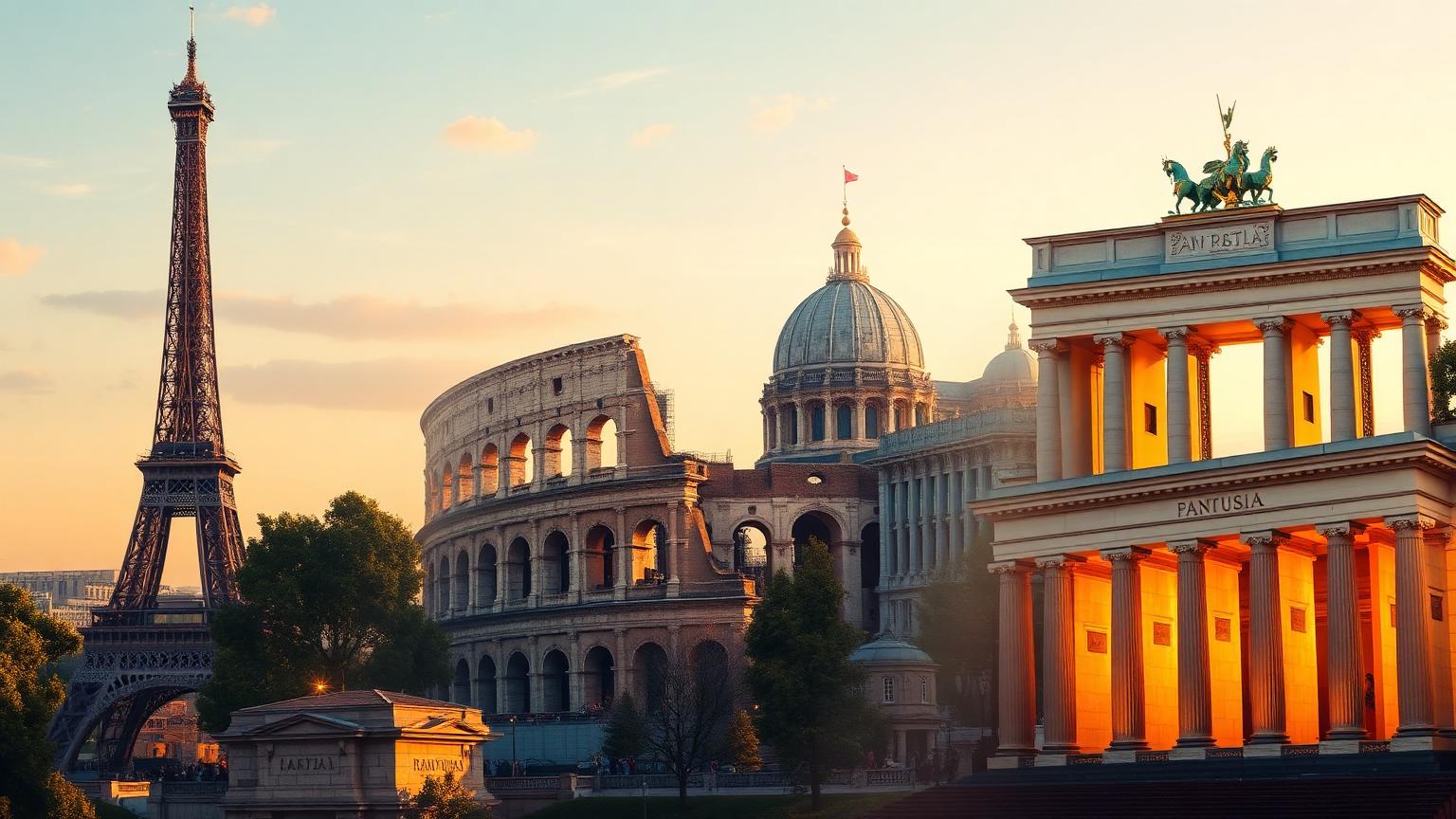
From the Colosseum to the Sagrada Familia — how to move through Europe's greatest cities with less friction, more depth, and zero connectivity gaps.
18 min read · 12 countries · Updated May 2026
01 — Why Europe in 2026 Is Different
The continent has changed — and so has the way you should move through it
Europe is not the same destination it was three years ago. The crowds have shifted. The infrastructure has improved dramatically. And the travelers who arrive prepared — with the right routes, the right timing, and the right tools — are having a fundamentally different experience from those who don't.
In 2026, the biggest competitive advantage you can have as a European traveler is not budget. It's architectural thinking: designing your trip like a system, not a checklist. Knowing which cities to combine, which days to book in advance, how to move between countries without losing data coverage, and where the real hidden time is lost.
Key Statistics
727 million international arrivals to Europe in 2025 — a new record.
26 Schengen countries: one zone, seamless border crossings for most nationalities.
3x faster rail network expansion in Western Europe vs 2022.
2027: ETIAS digital travel authorization expected to begin full enforcement.
Entry Note: As of 2026, most non-EU visitors still enter the Schengen zone without a visa — but ETIAS is expected to begin full enforcement in 2027. Check your country''s current requirement before booking any flights.
02 — The 3 Grand European Routes
Don't plan cities — plan momentum
The biggest mistake European travelers make is picking cities randomly from a bucket list. A much smarter approach: choose a route cluster that flows geographically, shares cultural DNA, and minimizes backtracking. Here are the three routes that work best in 2026.
Route A: The Mediterranean Arc — Spain, France, Italy
Best for: First-time European travelers, culture + food, 14-21 days.
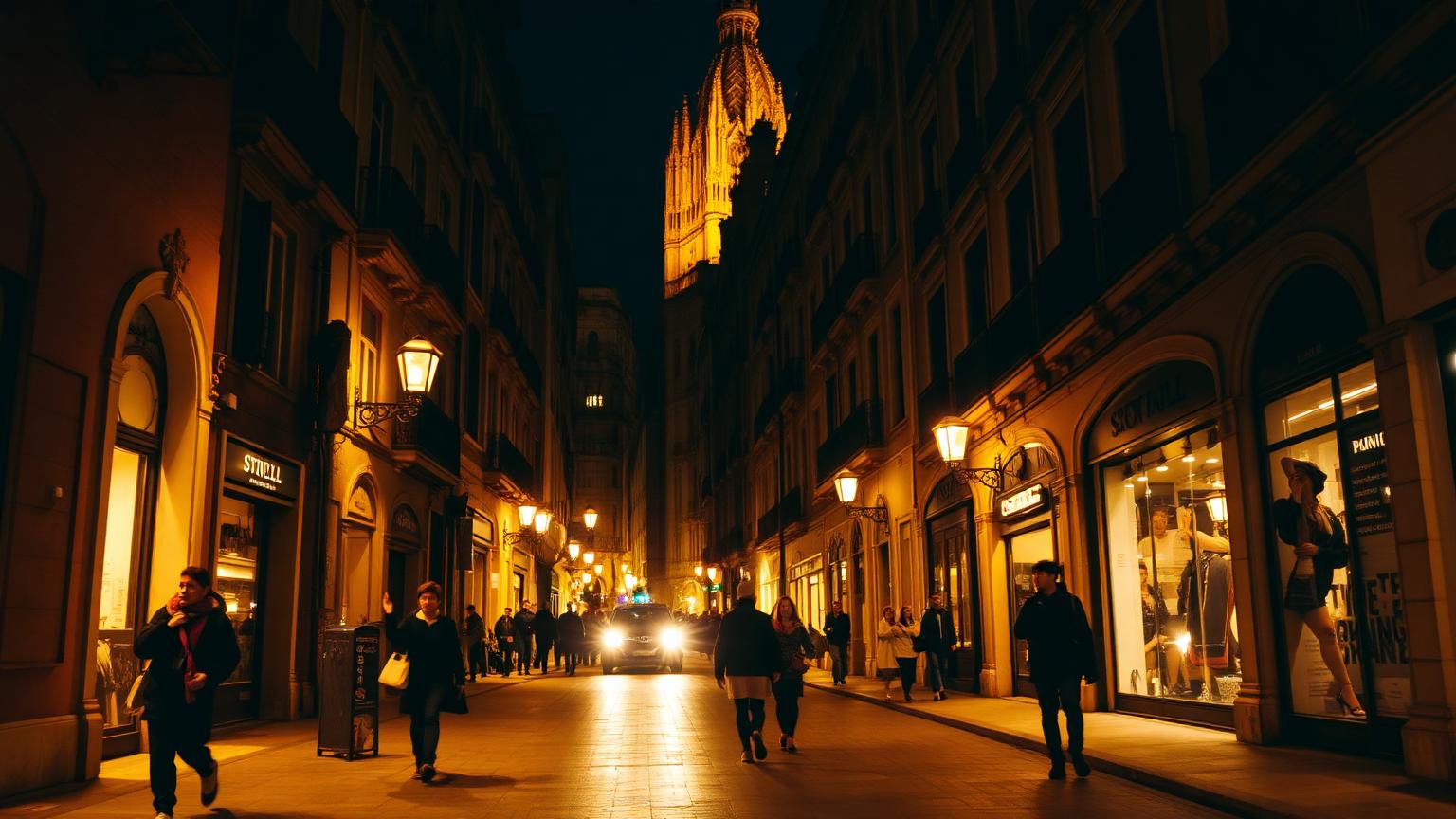
Madrid, Spain — 3-4 nights (Entry point): Start here. Prado Museum, Retiro Park. Madrid is an energy city — walks at midnight, dinners at 10 pm. Let it calibrate your rhythm before you start moving.
Barcelona, Spain — 3 nights (High-speed rail from Madrid, 2.5 hrs): Sagrada Familia is non-negotiable — book tickets 3 weeks ahead. Gothic Quarter for wandering. Barceloneta beach is better in the shoulder season. Park Güell at opening time only.
Nice + French Riviera — 2 nights: Old Town for lunch, Promenade des Anglais for evening. Day trip to Monaco or Eze — pick one.
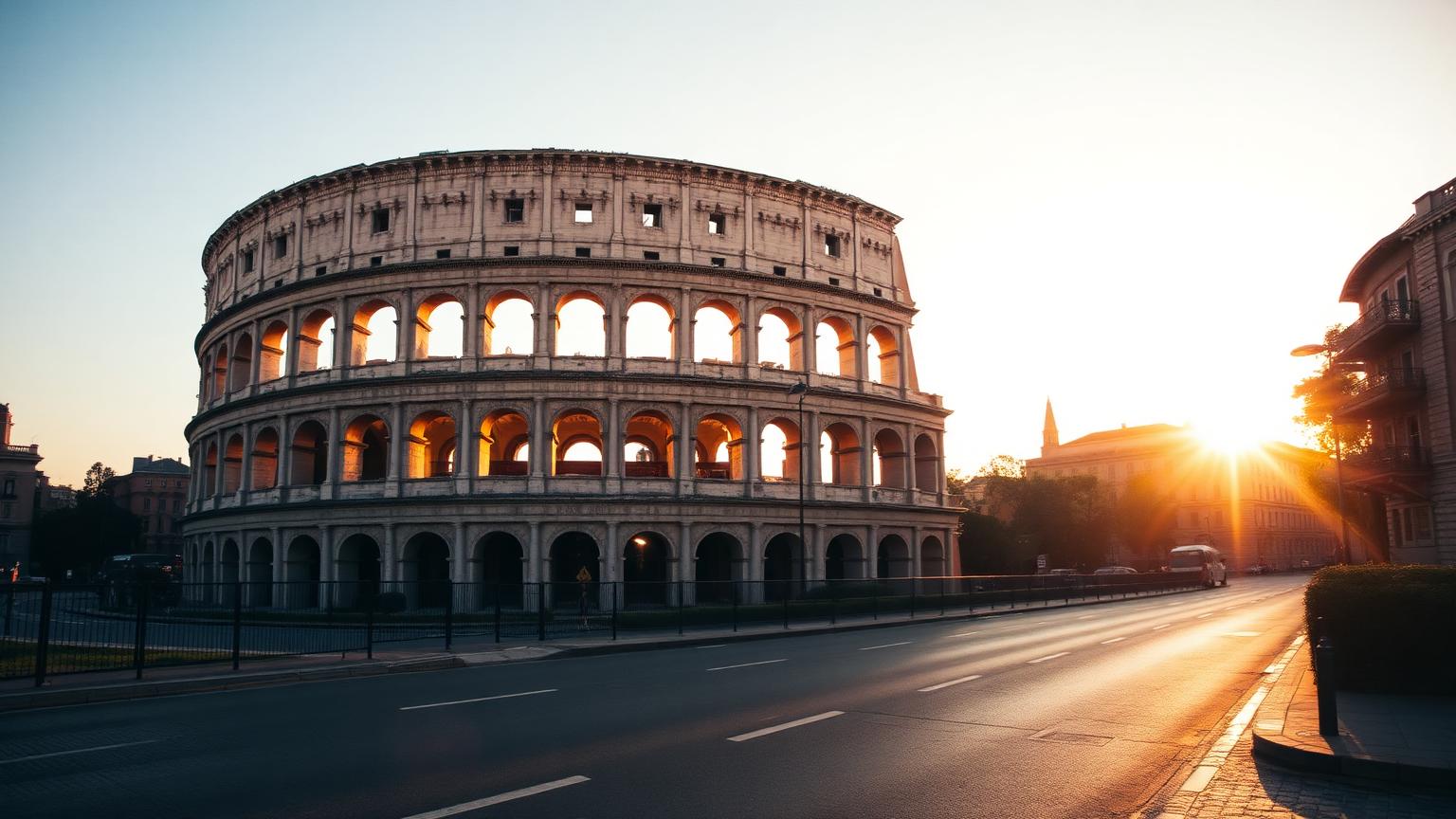
Rome, Italy — 3-4 nights: Ancient scale is overwhelming in the best way. Colosseum, Vatican, Trastevere. Book Vatican 3-4 weeks ahead.
Venice or Florence — 2-3 nights: Venice early morning is extraordinary. Florence is better for 3 nights than 1. Uffizi requires advance booking.
Route B: The Northern Loop — Amsterdam, Berlin, Prague, Vienna
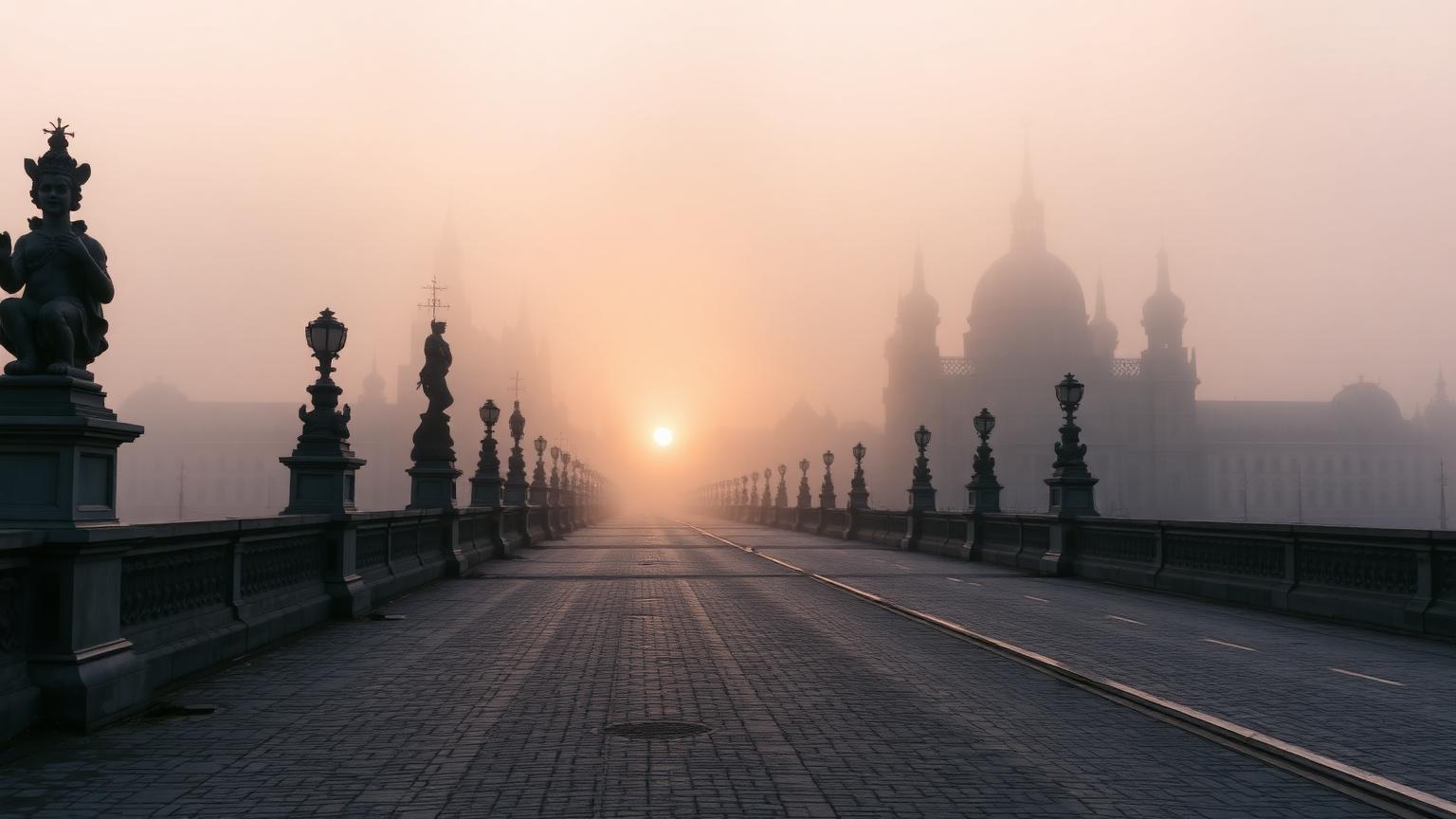
Best for: Art, history, architecture, slower travel, 14-18 days. This route rewards depth over speed. Berlin's history is layered and requires at least 3 days to process properly. Prague is the most cinematic city in Central Europe. Vienna is the most refined. Amsterdam is best experienced by bicycle.
Route C: The Iberian Deep Dive — Lisbon, Porto, Seville, Granada
Best for: Value, authenticity, fewer crowds, underrated luxury, 12-16 days. The highest value-per-euro route on the continent in 2026. All four cities are linked by efficient rail and low-cost flights. Food quality across Portugal and southern Spain remains exceptional at every price point.
One eSIM. 30+ European Countries.
Cross borders without changing SIMs or paying roaming fees.
03 — City-by-City: What Actually Matters
Not what to see — how to experience each city at its best
City, What matters, Madrid
Culture · Nightlife · Museums The Prado needs 3 hours minimum. Mercado de San Miguel is overpriced — go to Mercado de la Paz instead. Nights start after 11 pm. Barcelona
Architecture · Beach · Gaudí. More than Gaudí, but Gaudí is genuinely extraordinary. Boqueria is 80% tourist — eat nearby on Carrer del Parlament. Stay in Eixample, not Barceloneta.Lisbon
Authenticity · Value · Views. The most underrated capital in Western Europe. Alfama at golden hour is stunning. Tram 28 is fun once, crowded always. LX Factory on weekends.Rome
History · Food · Scale. Skip the Trevi Fountain at midday (go at 7 am). The best cacio e pepe is never in a tourist street. The Testaccio neighborhood for locals.Florence
Art · Food · Elegance The Uffizi is essential — 2 hours minimum. Oltrarno for dinner (cheaper, better). Piazzale Michelangelo at sunset is one of Europe's best views. Berlin
History · Art · Energy The Wall is everywhere — literally and emotionally. East Side Gallery, Checkpoint Charlie, and Memorial to the Murdered Jews are mandatory. Mitte for days, Kreuzberg for evenings.Amsterdam
Canals · Art · Cycling Rent a bike — it's how the city works. Van Gogh over Rijksmuseum if forced to choose. The Jordaan neighborhood at breakfast is magic. Book the Anne Frank House weeks ahead. Prague
Atmosphere · Value · Gothic. The most cinematic city in Central Europe. Charles Bridge at 6 am — no one else. Prague Castle is large enough for 3 hours. Still cheaper than Western Europe.Vienna
Music · Museums · Refinement: The most refined city in Europe. Schonbrunn Palace, Kunsthistorisches Museum, and a concert at the Musikverein, if possible. Naschmarkt for lunch. Vienna is slow by design.
04 — When to Go: Season by Season
Timing changes everything in Europe
Spring (April-May) — BEST WINDOW: Perfect temperatures across Southern Europe. Wildflowers in Tuscany and Andalusia. Crowds haven't peaked. Book 3-4 months ahead.
Summer (June-August) — BUSY: Peak crowds, peak prices, peak heat in the south. Northern Europe is actually ideal in summer.
Autumn (September-October) — BEST WINDOW: The second golden window. Harvest season in France and Italy. Crowds thin after mid-September. Wine regions at their peak.
Winter (November-February) — SELECTIVE: Christmas markets in Germany, Austria, and France are magical (Nov-Dec). January-February is deep off-season.
Smart Window 2026: September 10 - October 15 is the single best period for the Mediterranean Arc. Schools are back in session, crowds drop 40%, prices fall, and the light in Florence and Rome turns golden in a way that photographs itself.
05 — Movement & Transport: The European Rail System
Train-first is not romantic — it's rational
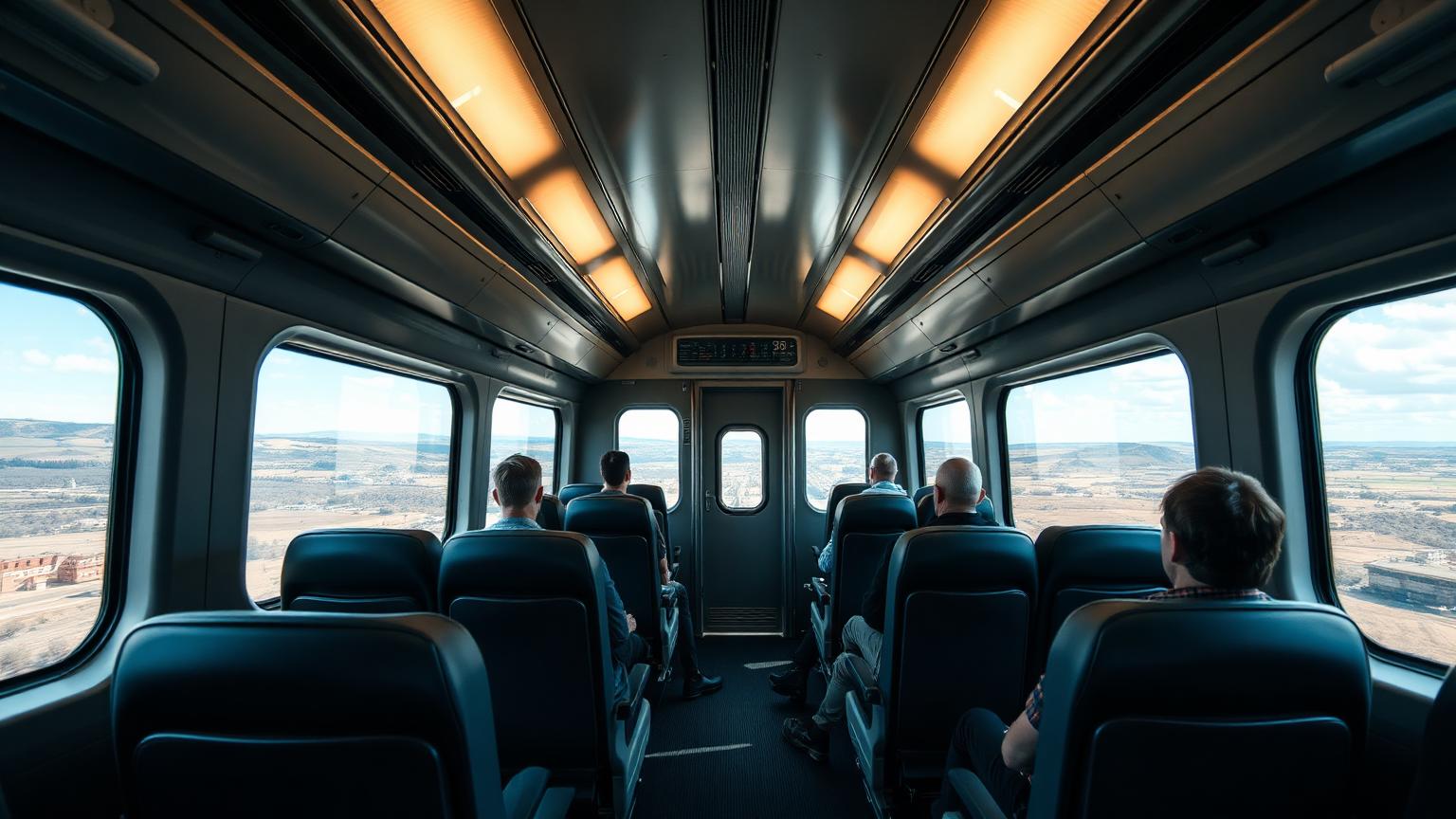
The most important decision you'll make about a European trip is not which cities to visit — it's how you move between them. In 2026, rail is faster than flying for most intra-European journeys under 4 hours, when you factor in airport time, security, and transit from the airport to the city center.
Key Transport Rules
Book rail tickets 60-90 days in advance. Eurostar, Renfe, Trenitalia, and Deutsche Bahn release cheaper tickets 2-3 months ahead. Madrid-Barcelona same-week costs 3x more than 8 weeks out.
Fly only when over 4 hours by rail. Barcelona-Rome, Lisbon-Berlin. Vueling, Ryanair, and easyJet are efficient — always check which airport.
Interrail / Eurail pass: worth it for 3+ countries with multiple train journeys.
Within cities: CityMapper works across all major European cities. Many metro systems now accept contactless bank cards.
06 — Money, Budget & What Things Actually Cost
Europe has a 3-tier pricing reality in 2026
Budget Tier — EUR 60-90/day: Lisbon, Porto, Prague, Budapest, Krakow, Belgrade. Meals EUR 8-15. Quality stays EUR 50-80/night.
Mid Tier — EUR 100-160/day: Madrid, Barcelona, Rome, Florence, Berlin, Vienna. Meals EUR 15-25. Good hotels EUR 100-180/night.
Premium Tier — EUR 180-280+/day: Paris, London, Amsterdam, Zurich, Copenhagen. Accommodation is the primary cost driver.
07 — Connectivity Across Borders
Crossing 6 countries in 3 weeks means 6 potential connectivity breaks

Here is what most travelers don't understand until it happens to them: every time you cross a border, your phone is making a decision. If you're on a local SIM from one country, it roams — and roaming charges across Europe can be significant. If you're relying on WiFi, you're navigating a foreign city offline every time you step outside.
In 2026, the solution is no longer a SIM card swap at every airport. The smarter approach is a single eSIM that covers all of Europe from day one — activated before your flight, valid from Madrid to Vienna without touching your phone settings.
FastAlo Europe eSIM — One Plan, 30+ Countries
Activate before you land. Works seamlessly across the Schengen zone and beyond. No physical SIM swap, no roaming fees, no airport kiosks.
Connectivity Checklist
Install and activate your eSIM before departure — activation requires stable internet, do it at home.
Download offline maps for every country — Google Maps or Maps.me offline regions for underground metro tunnels and rural areas.
Check eSIM compatibility — most modern smartphones (iPhone XS+, Samsung Galaxy S20+) support eSIM.
One eSIM. 30+ European Countries.
Cross borders without changing SIMs or paying roaming fees.
08 — The 7 Mistakes Most European Travelers Make
Everyone makes at least one. You don't have to.
Trying to see too many cities in too little time. 6 cities in 10 days means you're always in transit. The sweet spot is 2-3 nights minimum per city.
Booking accommodation without checking its location on a map. A ''central'' listing 40 minutes from the actual center is common. Always check the walking distance to a specific landmark before booking.
Skipping advance booking for major attractions. Vatican, Sagrada Familia, Uffizi, and Anne Frank House all require advance booking.
Underestimating physical fatigue. European sightseeing averages 18,000-25,000 steps per day. Comfortable shoes, not fashionable ones, determine your mood by day 4.
Relying on hotel WiFi for navigation. You cannot navigate a city with WiFi. You need mobile data from the moment you step off the train.
Eating in tourist-area restaurants. The restaurants directly adjacent to major attractions are universally mediocre and overpriced. Walk 3 streets away.
Not having a single, consistent travel payment method. Multiple cards with foreign transaction fees add up to EUR 80-150 in unnecessary charges over a 3-week trip. Use Revolut or Wise.
Europe Rewards the Prepared Traveler
The continent's complexity is its gift. Dozens of languages, centuries of history, and radically different cultures are packed into a space you can cross by train. The travelers who do it well in 2026 aren't the ones with the biggest budget — they're the ones who designed their trip like a system, stayed connected, and left room for the unexpected.
Back to blog