Why France Is Still the Most Visited Country in the World
Travel changes you. France just does it faster.
There are countries people visit once.
There are countries people admire online for years but never truly connect with.
And then there is France — a country people return to repeatedly, even after the crowds, the delays, the exhaustion, the packed train stations, the endless walking, and the overwhelming tourist pressure that comes every summer.
That is what makes France different.
Not because it is perfect.
Not because it is easy.
And definitely not because it is quiet.
France remains the most visited country in the world because it creates an experience that feels emotionally larger than ordinary travel.
People do not only remember what they saw there.
They remember how life felt there.
For decades, travelers have imagined the same scenes before arriving:
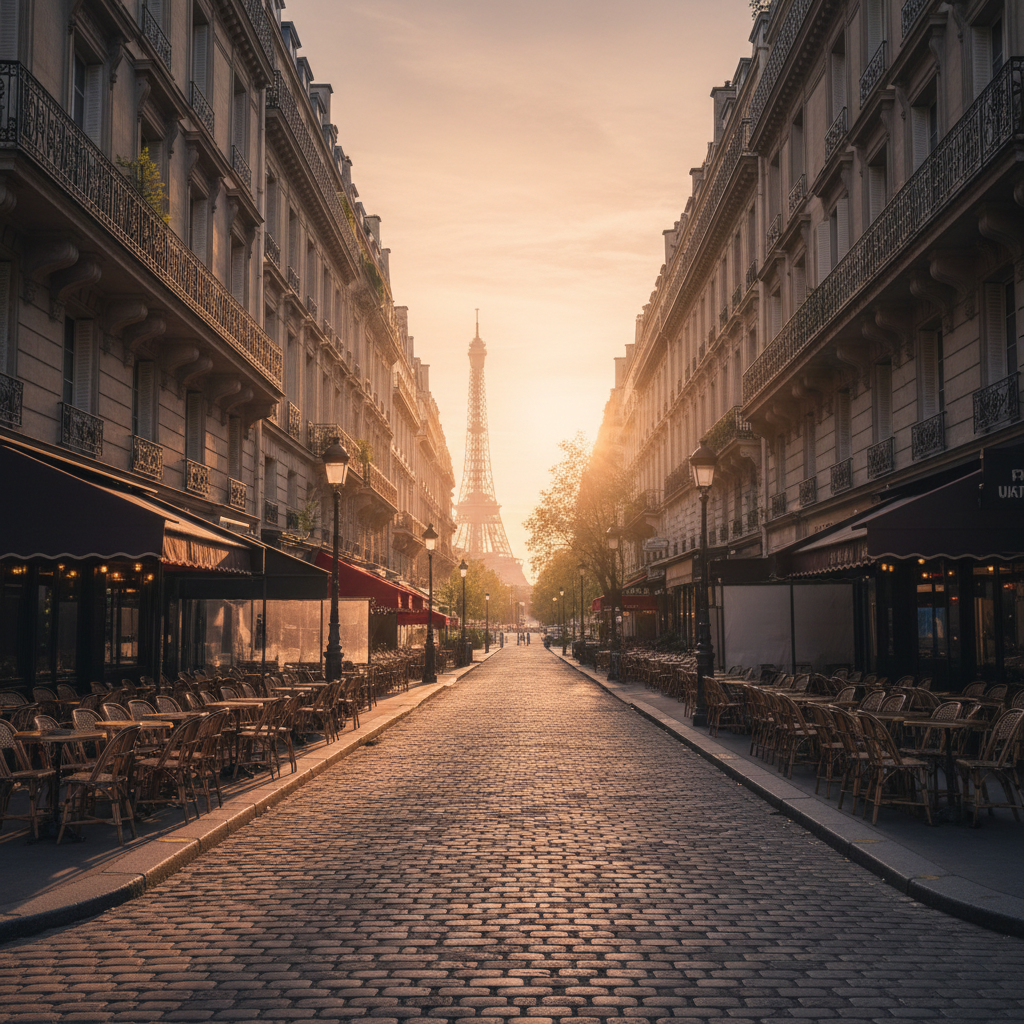
A small café facing a narrow Parisian street.
Fresh bread early in the morning.
Old buildings glowing during sunset.
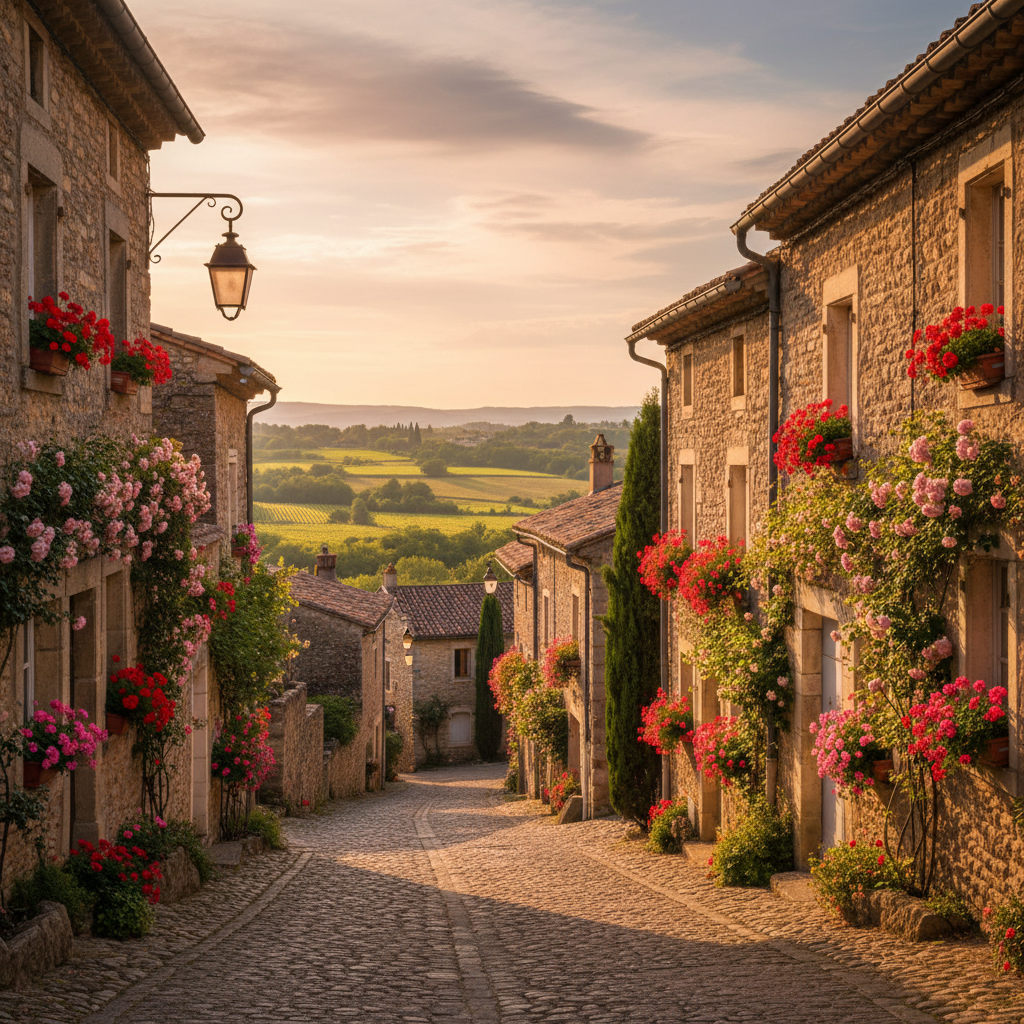
Villages covered in flowers.
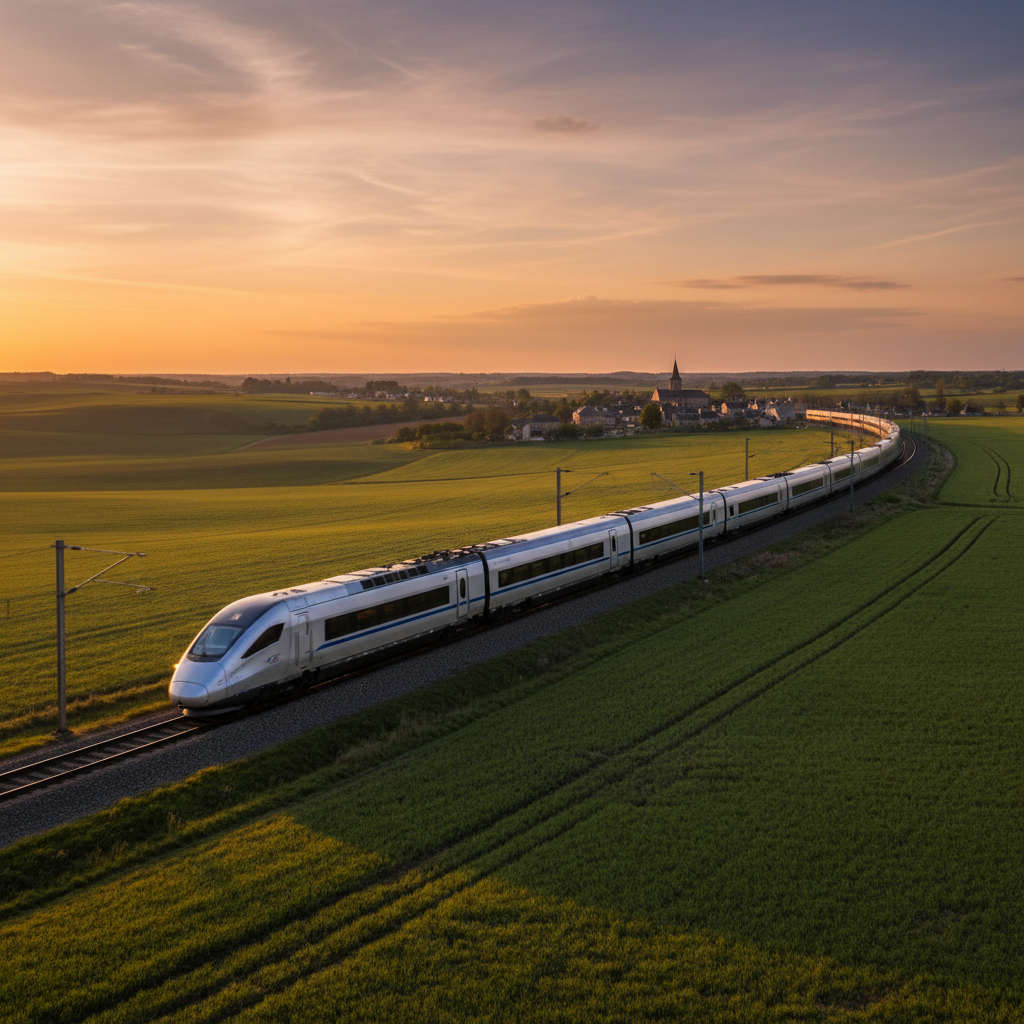
Fast trains crossing the countryside.
Open-air markets filled with color and movement.
Long walks beside rivers and historic streets.
And strangely enough, reality in France is often far more chaotic than the fantasy people build in their heads.
Paris can feel overwhelming.
Tourist areas become exhausting during the summer.
Train stations are crowded.
Museums require planning weeks ahead.
Walking becomes physically demanding.
Even simple daily decisions can suddenly become stressful in large cities.
But despite all of that…
People still return.
Again.
And again.
So the real question is not:
“Why do people visit France?”
The real question is:
Why do millions of people continue returning to France even after they already know what it is actually like?
The answer is much bigger than famous landmarks.
Because France is not simply a destination.
France is an atmosphere.
France Feels Like Multiple Countries Inside One Country
One of the biggest mistakes first-time travelers make is assuming France offers one single type of experience.
It does not.
France changes dramatically from one region to another.
Paris feels completely different from southern France.
The French Alps feel different from the Atlantic coast.
Eastern villages feel different from the Riviera.
Normandy feels different from Provence.
Even daily life changes from region to region.
The speed of conversations changes.
The architecture changes.
The food changes.
The pace of life changes.
The emotional feeling of the streets changes.
A traveler can spend two weeks in France and experience:
crowded urban life in Paris
peaceful countryside villages
coastal Mediterranean towns
mountain scenery near the Alps
Historical towns filled with medieval architecture
artistic neighborhoods
seaside roads
countryside bakeries
colorful local markets
luxury shopping districts
calm rural landscapes with almost no tourists
That diversity is one of the main reasons France dominates tourism globally.
Many countries feel repetitive after one visit.
France rarely does.
Because every return trip can become something completely different.
One visit becomes about museums.
Another becomes about countryside villages.
Another becomes about coastal towns.
Another becomes about train journeys.
Another becomes about slowing down and escaping modern life entirely.
France constantly gives travelers another layer to explore.
And that creates emotional attachment.
Paris: Beautiful, Exhausting, and Impossible to Ignore
Paris may be the most imagined city in the world.
People arrive expecting romance, elegance, and cinematic beauty.
And for brief moments, Paris truly feels exactly like that.
Early mornings beside the Seine.
Golden sunlight reflecting off old buildings.
Tiny cafés opening before sunrise.
The smell of fresh bread moves through quiet streets.
Street musicians performing near bridges.
Rain reflecting lights across narrow roads at night.
But then reality appears.
The metro becomes crowded.
The city moves fast.
Tourist zones become overwhelming.
The stairs inside train stations feel endless.
Museum lines stretch for hours.
Traffic becomes chaotic.
And suddenly, travelers realize something important:
Paris is not soft.
It is intense.
The city demands attention constantly.
You walk everywhere.
You navigate constantly.
You make decisions all day long.
Which metro line?
Which exit?
Which neighborhood?
Which train?
Which museum ticket?
Which café is authentic and which one exists only for tourists?
Paris creates a strange form of mental exhaustion because the city never fully slows down around you.
And yet…
That intensity becomes part of its power.
Paris feels alive because it refuses to become passive.
Unlike destinations built entirely around tourists, Paris remains a real global city filled with workers, students, artists, commuters, immigrants, business travelers, and ordinary people trying to live daily life.
Tourists are not entering a theme park.
They are entering an already-moving world.
That movement creates stress.
But it also creates energy.
And sometimes, after an exhausting day, Paris suddenly rewards travelers with one perfect moment that resets everything.
A quiet bridge at sunset.
A hidden street behind a crowded landmark.
A bakery late at night.
A silent morning before the city wakes up.
A small café during rainfall.
Paris constantly surprises people in small ways.
That is why travelers forgive its chaos.
France Understands Movement Better Than Most Countries
One of the hidden reasons France became a tourism giant is its infrastructure.
Travelers often underestimate how important transportation is to the emotional travel experience.
Moving between destinations changes how a country feels.
In some countries, transportation limits exploration.
In France, transportation encourages it.
The French rail network transformed tourism across the country.
The TGV system allows travelers to move rapidly between regions with surprising comfort and efficiency.
Paris to Lyon.
Paris to Marseille.
Paris to Strasbourg.
Paris to Bordeaux.
Entire regions suddenly feel connected and accessible.
And modern travelers rely heavily on digital tools during these journeys:
navigation apps
mobile train tickets
translation tools
hotel communication
restaurant reservations
live transportation updates
online bookings
digital payment systems
Modern travel now depends heavily on internet access.
Especially in countries where travelers move constantly between cities and transportation systems.
Losing connectivity during a transfer inside a large station immediately increases stress levels for most travelers today.
France understands the modern movement extremely well.
And movement is one of the foundations of successful tourism.
French Culture Exists Inside Daily Life
Some countries preserve culture mainly inside museums.
France does something different.
French culture appears everywhere.
Inside cafés.
Inside bakeries.
Inside public squares.
Inside local markets.
Inside ordinary daily routines.
The café is not simply a business.
It is social infrastructure.
People sit longer.
Conversations last longer.
Meals move slower.
Markets feel alive.
Outdoor seating shapes entire neighborhoods.
Public spaces encourage people to remain present instead of constantly rushing.
This creates something modern travelers rarely experience anymore:
Permission to slow down.
Modern life trains people to optimize everything.
France still protects parts of life from optimization.
And travelers notice that immediately.
Simple moments suddenly feel meaningful.
Buying bread in the morning becomes an experience.
Sitting outdoors becomes part of the day itself.
Walking through local markets feels cinematic.
Even grocery shopping feels different in many parts of France.
That atmosphere matters more than most travelers realize.
People rarely remember every monument they visit.
But they always remember how a country made them feel emotionally.
France understands emotional atmosphere better than almost anywhere else.
France Is More Physically Demanding Than People Expect
This is something many travel guides avoid mentioning.
France can be exhausting.
Especially for first-time visitors.
The romantic image online rarely includes:
carrying luggage upstairs in old buildings
crowded metro tunnels
transportation strikes
long museum lines
walking 20,000 steps daily
packed tourist zones during summer
noise in central districts
constant navigation pressure
Many travelers finish their first trip to France more tired than expected.
But interestingly, this exhaustion often comes from stimulation rather than discomfort.
France overwhelms the senses.
There is too much to see.
Too many streets.
Too many neighborhoods.
Too much history.
Too many beautiful details.
Too many choices.
Decision fatigue becomes real.
Travelers wake up every morning feeling pressure to experience as much as possible before time runs out.
And strangely enough, that intensity becomes part of the emotional memory they carry home.
France feels full.
Full of movement.
Full of history.
Full of texture.
Full of atmosphere.
And modern travelers increasingly search for experiences that feel emotionally dense rather than empty.
France delivers that constantly.
The France Most Tourists Never Fully See
Outside Paris, another version of France appears.
A quieter version.
A softer version.
A slower version.
And for many travelers, this becomes the most unforgettable part of the country.
Small villages in eastern France feel almost unreal during spring and winter.
Stone buildings.
Flower-covered windows.
Tiny bakeries.
Quiet streets.
Local markets.
Church bells echoing through old towns.
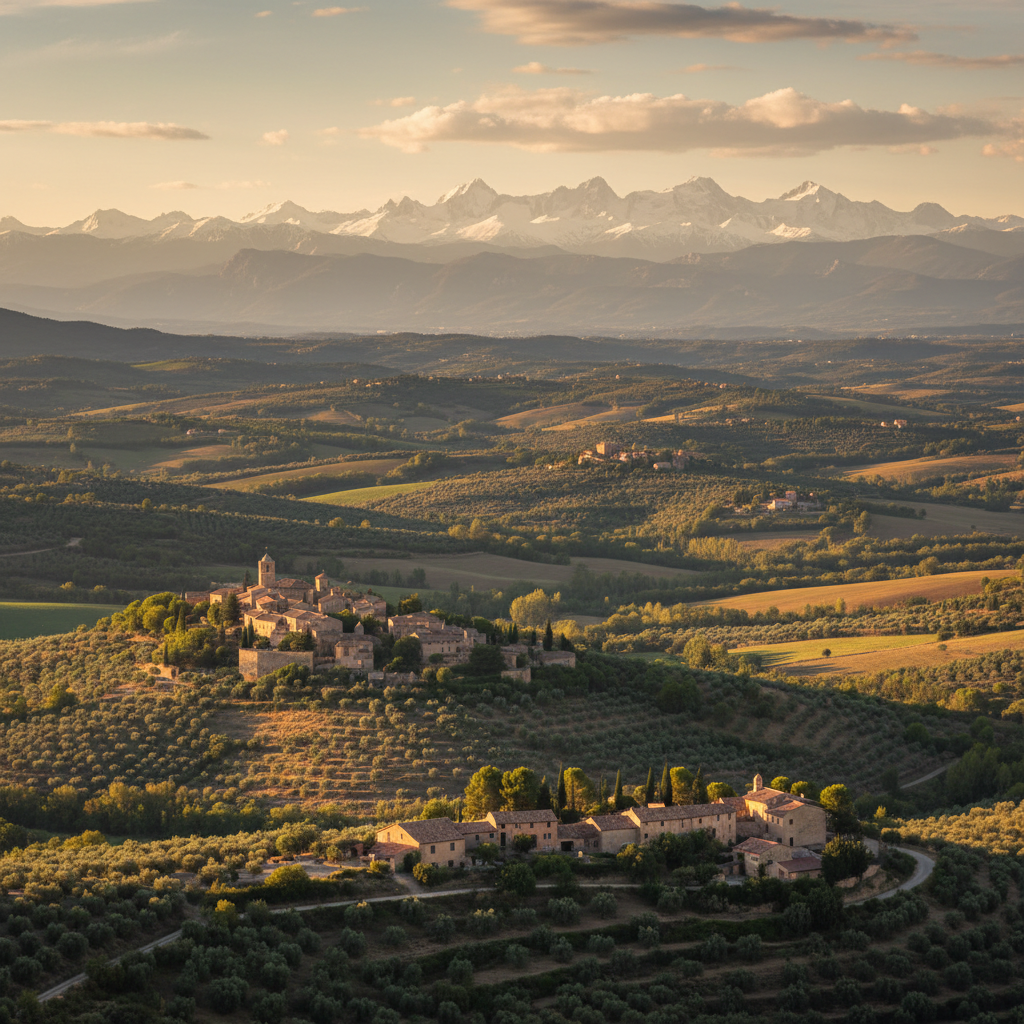
In Provence, the atmosphere changes completely again.
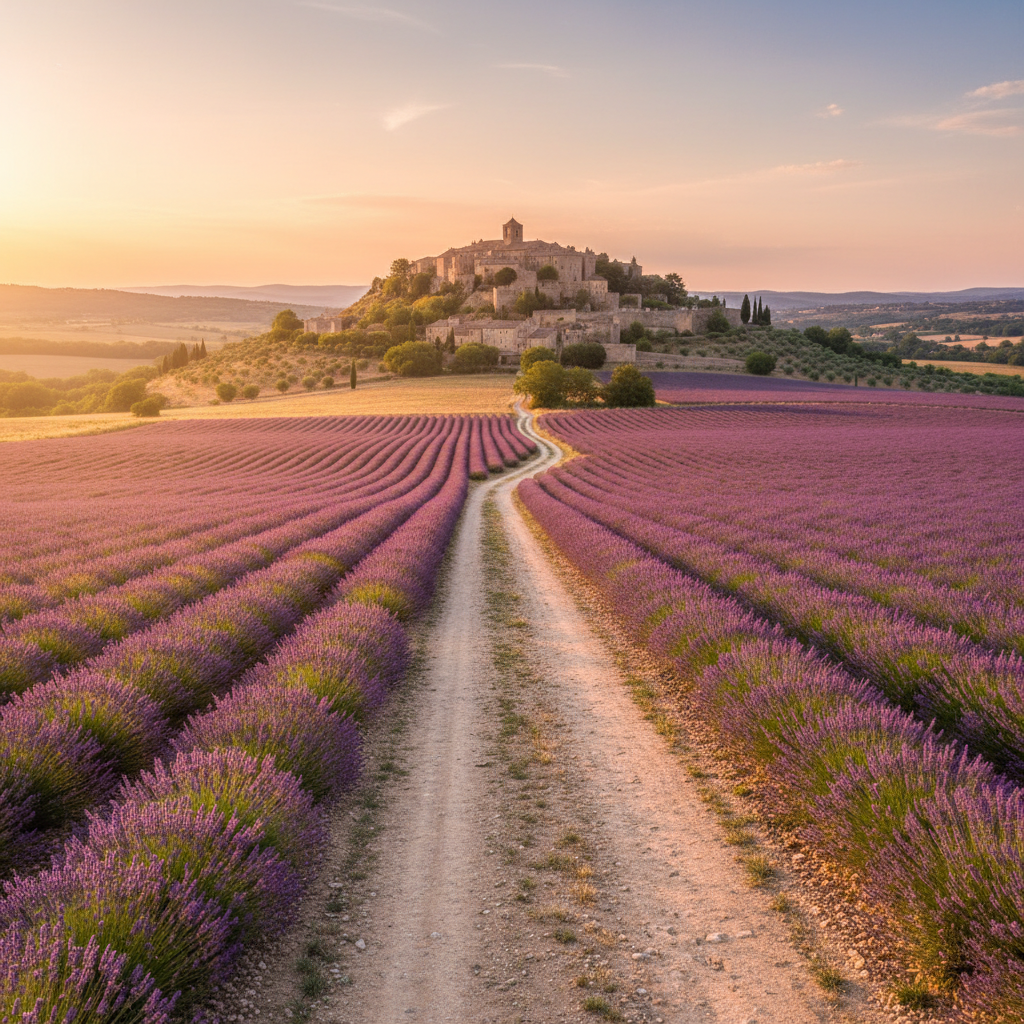
Lavender fields.
Countryside roads.
Open-air cafés.
Long sunsets.
Stone villages built into hillsides.
The Riviera introduces another identity entirely:
Coastal energy.
Palm-lined streets.
Mediterranean scenery.
Luxury mixed with relaxed seaside life.
Then there are Alpine towns near the mountains.
Atlantic coastal villages.
Historic Normandy towns.
Countryside regions that feel untouched by modern speed.
Each area creates a completely different emotional experience.
And this is where France becomes dangerous for travelers:
One trip never feels complete.
There is always another version of the country waiting somewhere else.
Countryside France Feels Like Escaping Modern Life
One of the most powerful experiences in France happens far away from famous landmarks.
It happens in small villages and countryside regions where life still moves slowly.
Roads curve through green landscapes.
Morning markets open gradually.
Local bakeries fill before sunrise.
Families sit outdoors for hours.
Small cafés remain busy without anyone appearing rushed.
And suddenly, travelers notice something unusual:
People are present.
Not constantly scrolling.
Not constantly rushing.
Not constantly optimizing every hour of the day.
Modern life has made many people mentally exhausted without realizing it.
But in rural France, travelers often rediscover quietness.
Not silence.
But mental quietness.
The kind created by slower environments, open landscapes, and simple daily routines.
Some visitors remember the scenery most.
Others remember the architecture.
Others remember train rides through countryside hills.
But many leave remembering a feeling they struggle to explain afterward.
A feeling that life temporarily became calmer, softer, and more human again.
Stay Connected Across France
From Paris cafés to Provence villages — get instant eSIM data the moment you land.
Food in France Is Part of Everyday Identity
Food in France is deeply connected to culture, routine, and daily life.
And one of the biggest surprises for visitors is how regional everything becomes.
Coastal regions focus heavily on seafood.
Mountain regions introduce richer comfort foods.
Southern France reflects Mediterranean influence.
Eastern France blends multiple cultural traditions.
Even bread changes from region to region.
Markets feel different.
Desserts feel different.
Dining rhythms feel different.
But what truly separates France is not simply quality.
It is attention.
Meals receive time.
Presentation matters.
Ingredients matter.
Conversation matters.
People sit longer.
Even ordinary bakeries often feel memorable to travelers.
Morning bakery visits become rituals.
Open-air markets become experiences.
Street cafés become resting points during long days.
Food stops becoming simple fuel.
It becomes part of exploration itself.
And because food culture is integrated naturally into public life, travelers experience it constantly without needing organized “tourist activities.”
France Feels Comfortable for International Travelers
France succeeded globally not only because it is beautiful.
It succeeded because it is navigable.
That distinction matters enormously.
Many countries are visually impressive but difficult to operate inside.
France generally offers travelers:
reliable transportation
organized tourism infrastructure
accessible train systems
broad accommodation options
digital payment compatibility
strong connectivity
international accessibility
extensive tourism services
Modern travelers now depend heavily on digital systems abroad:
maps
translation apps
transportation bookings
digital payments
restaurant reservations
navigation
messaging apps
emergency communication
Travel today feels very different without internet access.
And countries with strong digital infrastructure automatically feel safer and easier to navigate for international visitors.
France performs extremely well in that environment.
The Difference Between Paris and the Rest of France
One of the strangest truths about France is how strongly Paris dominates global perception of the country.
For many people, France means Paris.
But emotionally, France changes dramatically outside the capital.
Paris moves quickly.
Southern France moves slower.
Rural France becomes calmer.
Mountain towns feel isolated and peaceful.
Coastal towns become energetic during the summer.
Countryside regions feel timeless.
Some travelers fall in love with Paris immediately.
Others only begin loving France after leaving Paris entirely.
And this is important because many first-time visitors accidentally design trips around landmarks instead of atmosphere.
But France is often strongest when experienced slowly.
A countryside train ride.
A village market.
A quiet lunch outdoors.
A sunrise bakery visit.
A road trip beside the coast.
These smaller moments often become more memorable than famous attractions themselves.
France rewards slowing down.
Which is increasingly rare in modern tourism.
France Understands the Psychology of Travel
France mastered something many destinations still struggle to create:
Emotional layering.
The country constantly shifts between different feelings:
Chaos and calm.
Luxury and simplicity.
History and modern life.
Urban intensity and rural silence.
Movement and stillness.
Travelers experience multiple emotional atmospheres during a single trip.
And that variety keeps France emotionally alive.
Many destinations become predictable after a few days.
France often becomes more interesting over time.
Because eventually, travelers stop chasing landmarks and begin noticing rhythm instead.
The way neighborhoods change at night.
The way cafés operate.
The way train stations feel early in the morning.
The way people sit outdoors for hours.
The way villages become quiet during sunset.
France slowly transforms from a sightseeing destination into a feeling.
And feelings are difficult to replace.
Why Travelers Keep Returning to France
Most people do not fully understand France during their first visit.
The first trip usually moves fast.
Tourists chase famous places.
Museums.
Photos.
Landmarks.
Restaurants.
Historic streets.
The second visit changes everything.
Travelers slow down.
They stop trying to “complete” France.
And that is when the country becomes more powerful emotionally.
People begin exploring neighborhoods instead of attractions.
Markets instead of monuments.
Villages instead of itineraries.
Cafés instead of schedules.
France evolves alongside the traveler.
That adaptability is rare.
Eventually, France stops feeling like a destination people visit temporarily.
It starts feeling like a lifestyle travelers borrow for a short period of time.
And maybe that is the real reason France remains the most visited country in the world.
Not because it is perfect.
Not because it is easy.
Not because it is cheap.
But because France creates emotional memories that continue growing long after travelers return home.
And very few countries manage to do that consistently.
Places in France That Travelers Should Experience at Least Once
France is not a country that can be understood through one city alone.
And one of the biggest mistakes travelers make is limiting their trip to Paris without exploring the many completely different worlds hidden across the country.
Because, beyond the famous landmarks, France slowly reveals something much bigger:
coastal towns, mountain villages, countryside roads, historical neighborhoods, hidden cafés, local markets, quiet lakes, dramatic coastlines, and places that still feel untouched by modern tourism.
Some destinations in France are famous for a reason.
Others remain surprisingly overlooked despite being unforgettable.
And often, the most memorable experiences happen far away from the places people originally planned to visit.
Paris Beyond the Tourist Landmarks
Most travelers arrive in Paris focused on famous attractions.
The Eiffel Tower.
The Louvre.
The Champs-Élysées.
Notre-Dame.
But after a few days, many visitors discover the most powerful side of Paris is not always the landmarks themselves.
It is the atmosphere hidden between them.
The quiet streets early in the morning.
Small cafés in side neighborhoods.
Bookshops beside the Seine.
Late-night walks when the city becomes calmer.
Local bakeries before sunrise.
The areas around Le Marais, Saint-Germain-des-Prés, Montmartre, and the Latin Quarter often become more memorable than major tourist attractions because they allow travelers to experience the rhythm of the city itself rather than simply moving between landmarks.
One of the best things visitors can do in Paris is stop rushing.
Choose a neighborhood.
Walk without a strict destination.
Sit at a café.
Explore side streets.
Watch daily life instead of constantly chasing attractions.
Paris rewards curiosity more than schedules.
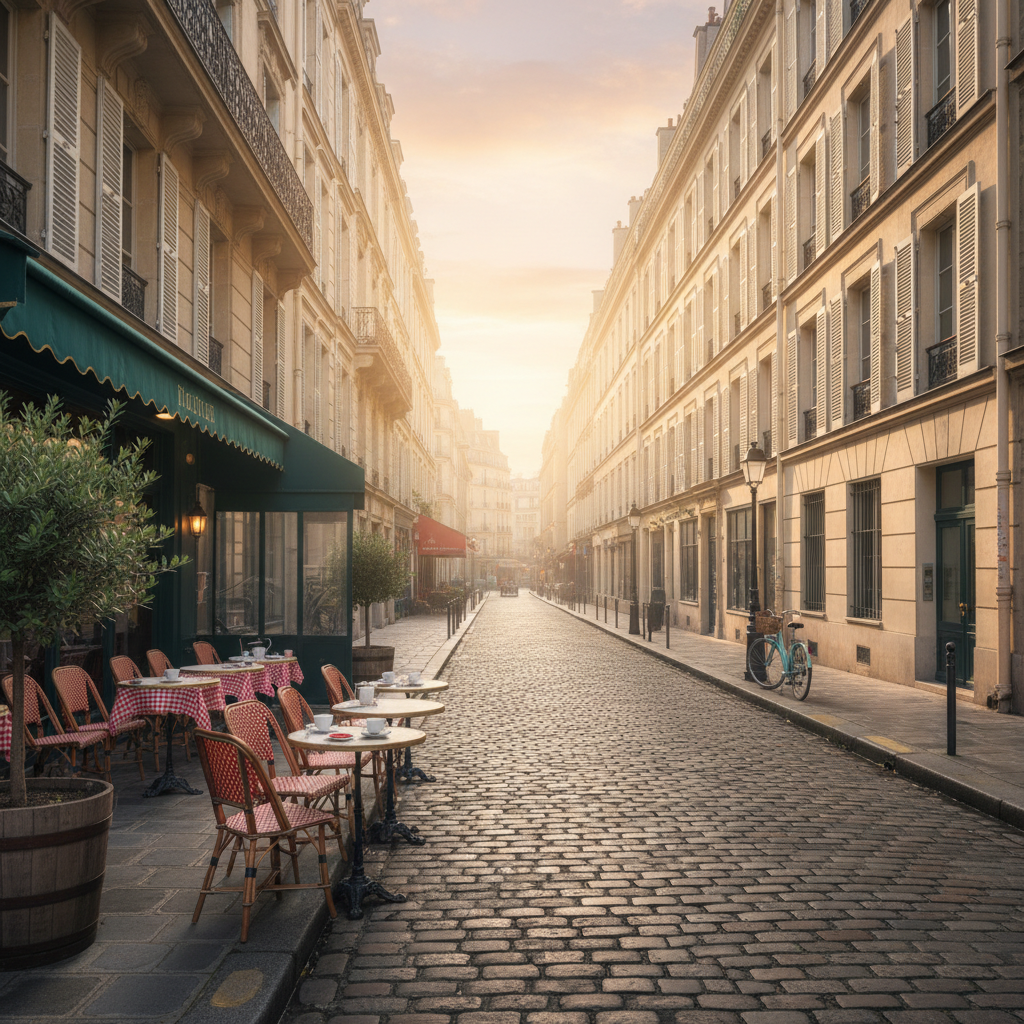
Annecy — The Town That Feels Almost Unreal
Near the Alps, Annecy feels completely different from Paris.
The atmosphere becomes quieter.
Cleaner.
Slower.
The lake reflects the surrounding mountains so clearly that many travelers describe the town as looking unreal during sunrise and sunset.
Small canals move through the old town.
Colorful buildings line narrow streets.
Outdoor cafés remain active for hours.
Cycling paths surround the lake.
And unlike major tourist capitals, Annecy creates calm rather than pressure.
This is one of the best places in France for travelers who want:
peaceful scenery
long walks
mountain views
slow mornings
photography
nature combined with historic architecture
Boat rides across the lake become especially beautiful during summer evenings when the mountains begin reflecting golden light.
And simply sitting beside the water often becomes more memorable than large tourist attractions elsewhere.
Provence — The Slower Side of France
Southern France changes the emotional feeling of travel completely.
And Provence represents one of the clearest examples of that transformation.
Life slows down here.
Morning markets open gradually.
Countryside roads move through hills, farms, and old stone villages.
Lavender fields appear during the summer.
Local bakeries fill before sunrise.
Small outdoor restaurants remain busy late into the evening.
And travelers quickly notice something unusual:
People are rarely rushing.
Towns like Gordes, Roussillon, and Saint-Rémy-de-Provence feel designed for wandering slowly rather than sightseeing quickly.
This is the kind of region where travelers should avoid overplanning.
The best experiences often happen unexpectedly:
stopping at a countryside bakery
finding hidden viewpoints
walking through quiet village streets
exploring local markets
driving through countryside roads without strict schedules
Provence rewards slow travel.
And slow travel is becoming increasingly rare in modern tourism.
Strasbourg and Colmar — A Completely Different France
Eastern France introduces an entirely different atmosphere again.
The architecture changes dramatically.
The streets feel quieter.
Buildings become more colorful.
And the influence of both French and German culture creates a unique identity unlike anywhere else in the country.
Strasbourg combines history, canals, cafés, and large public squares in a way that feels almost cinematic during winter and spring.
Colmar feels even more surreal.
Flower-covered windows.
Small canals.
Colorful houses.
Quiet streets.
Morning bakeries.
Local markets.
And during winter, the atmosphere becomes especially magical as lights, decorations, and seasonal markets transform the town into something that barely feels real at night.
These towns are ideal for travelers looking for:
photography
architecture
calm environments
cultural atmosphere
slower travel experiences
walkable historic streets
The French Riviera — Energy, Coastlines, and Mediterranean Atmosphere
The French Riviera creates another completely different emotional version of France.
Nice feels energetic and international.
Cannes feels polished and luxurious.
Smaller coastal towns feel calmer and more personal.
Palm trees line coastal roads.
The sea dominates the scenery.
Outdoor life becomes central to daily routine.
And evenings often become the best part of the day as coastal streets slowly fill with people walking beside the water.
One of the most enjoyable experiences on the Riviera is simply moving between towns slowly.
Train rides along the coastline become experiences themselves.
Road trips reveal hidden beaches and quieter areas far from crowded tourist zones.
And small coastal cafés often become perfect places to escape the heat during summer afternoons.
The Riviera feels less like traditional sightseeing and more like living outdoors for a few days.
Normandy — History, Cliffs, and Quiet Coastal Beauty
Normandy offers a quieter and more emotional side of France.
The region combines dramatic coastal scenery with deep historical importance.
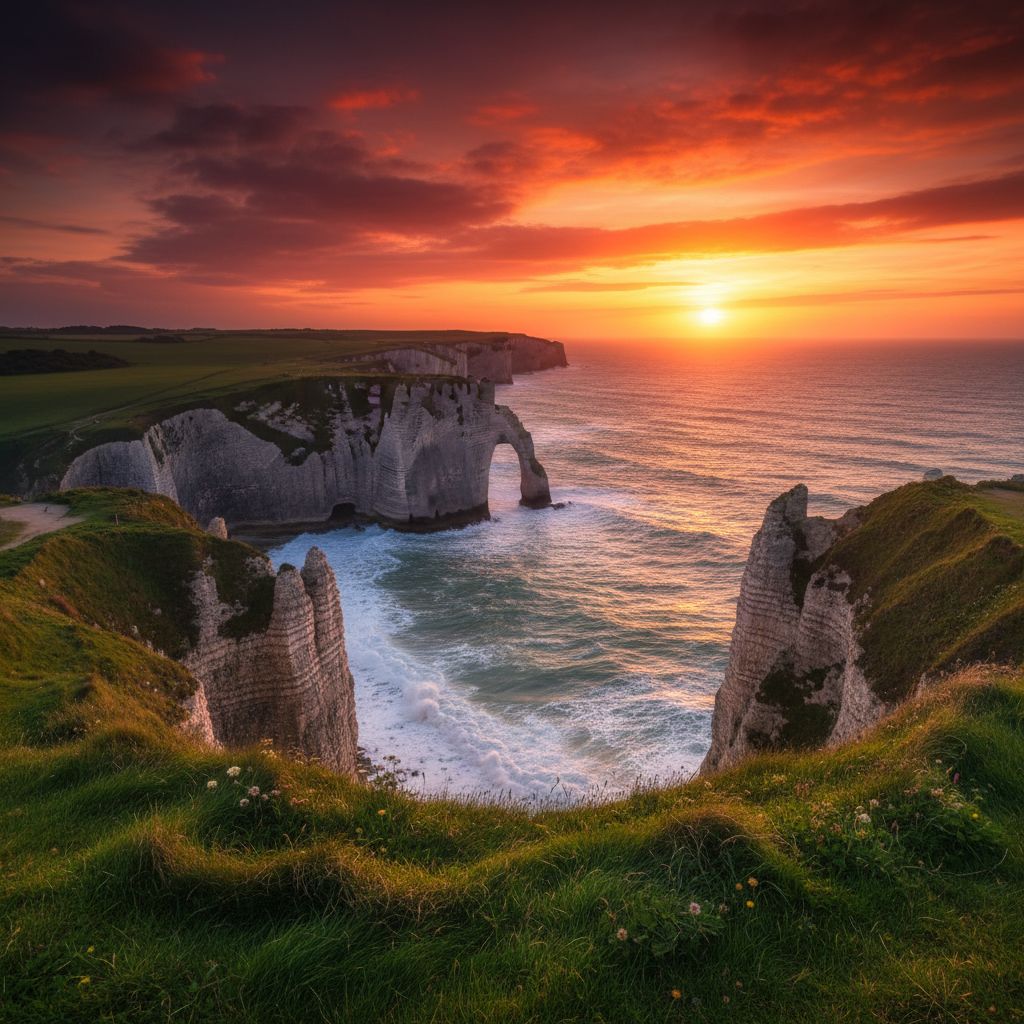
Cliffs overlook the sea.
Small towns move slowly.
Historic streets remain calm compared to larger tourist destinations.
Mont-Saint-Michel becomes especially breathtaking during sunrise and sunset when changing tides transform the landscape around it.
And throughout Normandy, travelers often discover one of France’s greatest hidden strengths:
space.
Space to walk.
Space to think.
Space to breathe.
Unlike crowded capitals, where movement feels constant, Normandy often feels open and peaceful.
Road trips through the region become one of the best ways to experience it fully.
Especially for travelers looking to escape crowded tourist environments.
Hidden Experiences Many Travelers Miss
Some of the best experiences in France are not famous attractions at all.
They are small moments that many tourists accidentally skip.
Like:
waking up early before cities become crowded
visiting local bakeries before sunrise
exploring village markets in the morning
taking countryside train rides
sitting beside rivers during sunset
walking without maps for a few hours
exploring neighborhoods instead of landmarks
stopping at small roadside cafés
watching daily life instead of rushing between attractions
France becomes far more powerful emotionally when travelers stop trying to “complete” it.
Because France is not designed to be rushed.
It is designed to be experienced slowly.
And often, the hidden moments become stronger memories than the famous ones.
The Best Things Travelers Can Actually Do in France
Beyond sightseeing, France offers experiences that shape how travelers feel emotionally during a trip.
Some of the most rewarding things visitors can do include:
taking long countryside train journeys
exploring small villages without strict itineraries
visiting open-air food markets
walking beside rivers and canals at night
spending mornings in local cafés
cycling beside lakes and coastal roads
exploring mountain towns near the Alps
discovering hidden bookstores and bakeries
visiting gardens and public parks
taking scenic road trips through rural regions
exploring old neighborhoods early in the morning before crowds arrive
France is often strongest when travelers allow themselves to slow down enough to actually notice their surroundings.
That is when the country begins feeling less like a destination and more like an experience people emotionally connect with.
And that emotional connection is one of the main reasons travelers continue returning to France again and again.
Stay Connected Across France
From Paris cafés to Provence villages — get instant eSIM data the moment you land.
Final Thoughts
France is not simply a country that people visit.
It is a country people imagine themselves inside long before they arrive.
And even after the crowds, delays, noise, exhaustion, metro tunnels, packed streets, and endless walking…
Millions still return.
Because somewhere between the trains, villages, bakeries, coastlines, museums, countryside roads, cafés, and late-night streets, France creates something modern travelers are desperately searching for:
A feeling that life has temporarily become richer, slower, calmer, and more alive.
And once people experience that feeling, they usually want it again.
Back to blog