World Cup 2026 Travel Plan: Pick Your Host Cities Before You Pick Matches
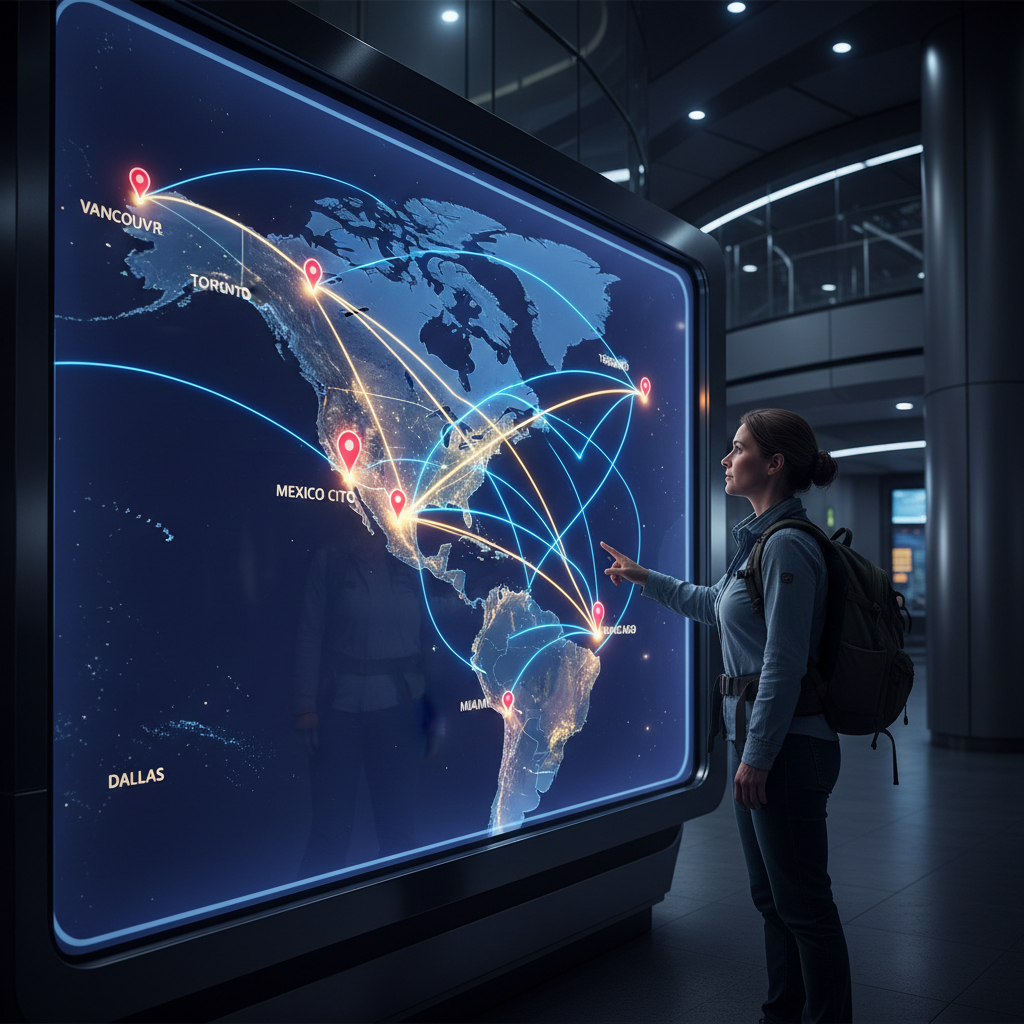
The Biggest Decision You’ll Make Isn’t the Match

Most people think the hardest decision is which matches they should attend. It’s not.
The real question is: Which cities should you build your trip around? Because once you choose your cities, everything else is locked in: your flights, your hotel costs, your travel time, and your entire experience.
Why This World Cup Is Different
This is not a one-country event. It spans the USA, Canada, and Mexico. And that creates a new problem: Distance becomes your biggest enemy.
The Mistake That Costs Travelers the Most
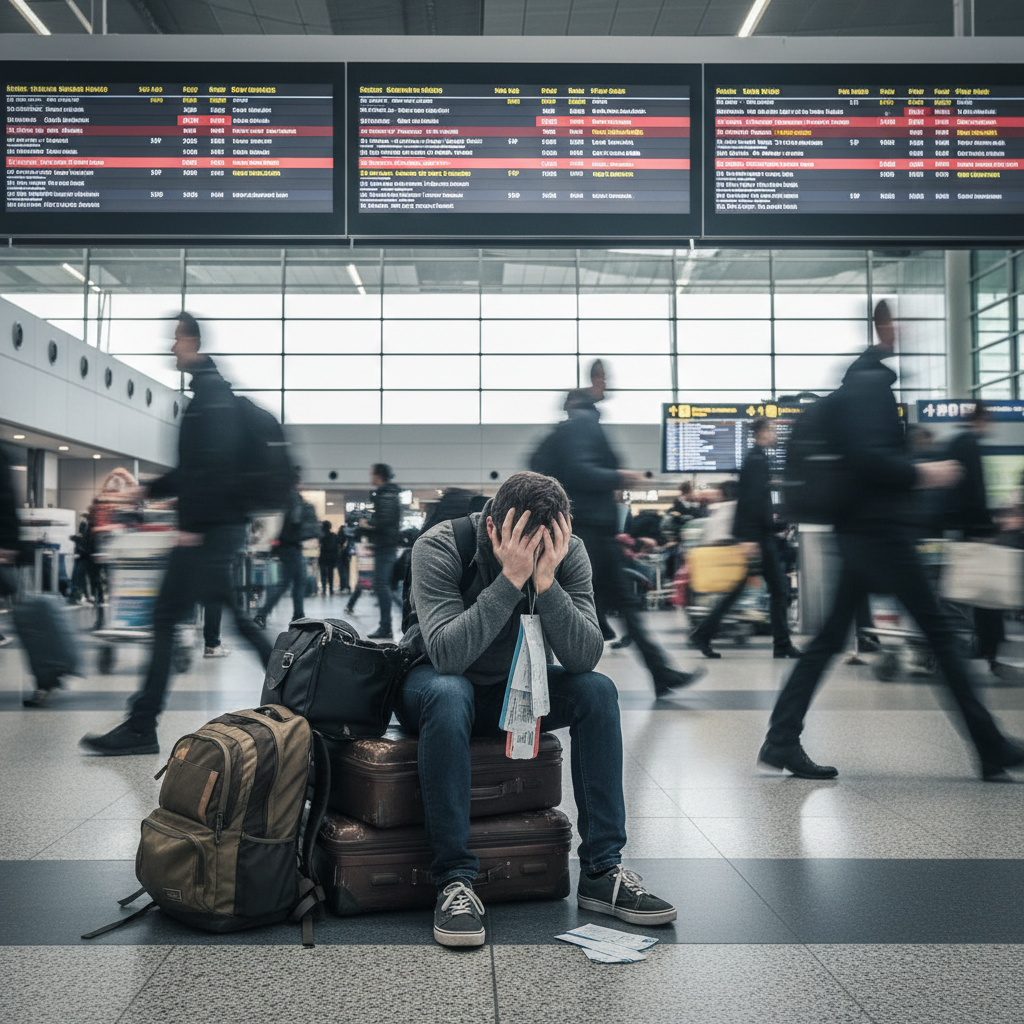
Here’s what most people do: Pick matches randomly, book tickets quickly, and think they’ll “figure it out later.” Then reality hits. Cities are far apart, flights are expensive, and the timing doesn’t work. The result is missed plans, extra costs, and exhaustion.
Understanding Distance (This Changes Everything)
Let’s simplify it. A flight from New York to Miami or Dallas to Los Angeles is about 3 hours. A trip from Toronto to Mexico City is an international journey with long travel times. That’s not “quick movement”—that’s a full travel day.
The Smart Way to Choose Cities
Instead of picking matches, build “city clusters.” This means grouping your destinations to minimize long-distance travel. The rule is to stay within one cluster as much as possible.
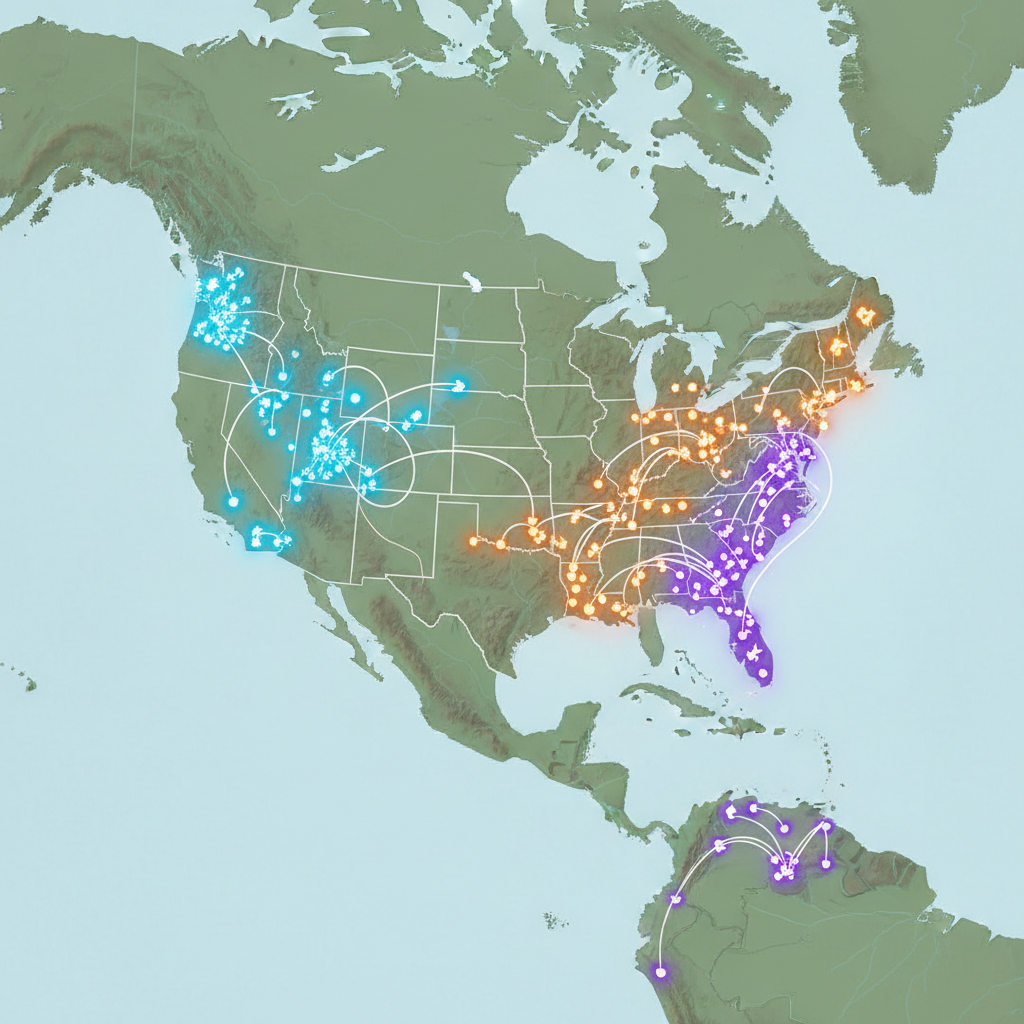
Example Strategy: East Cluster
Cities like New York, Philadelphia, and Boston offer close distances and easier movement.
Example Strategy: Central Cluster
Dallas, Houston, and Kansas City provide good flight connections and balanced costs.
Example Strategy: West Cluster
Los Angeles, San Francisco, and Seattle promise a great experience, but be mindful of the long distances between them and other clusters.
Stay Connected, Anywhere You Travel
Skip roaming fees. Get instant eSIM data in 190+ countries.
When Crossing Countries Makes Sense
You don’t have to avoid crossing borders, but do it smart. A single, well-planned trip from the USA to Mexico can be a great idea. A chaotic itinerary like USA to Canada, then to Mexico, and back to the USA is not.
The Hidden Cost of “Over-Ambition”
Many travelers try to see too many matches and visit too many cities. It sounds exciting, but in reality, you spend more time traveling than enjoying the event. You arrive tired and lose all flexibility. Smart travelers do less, but they do it better.
A Simple Planning Framework
Before booking anything, ask yourself: Are these cities close? Can I move easily between them? Am I crossing borders too often? Do I have buffer time? If the answer is “no” to any of these, you should rethink your plan.
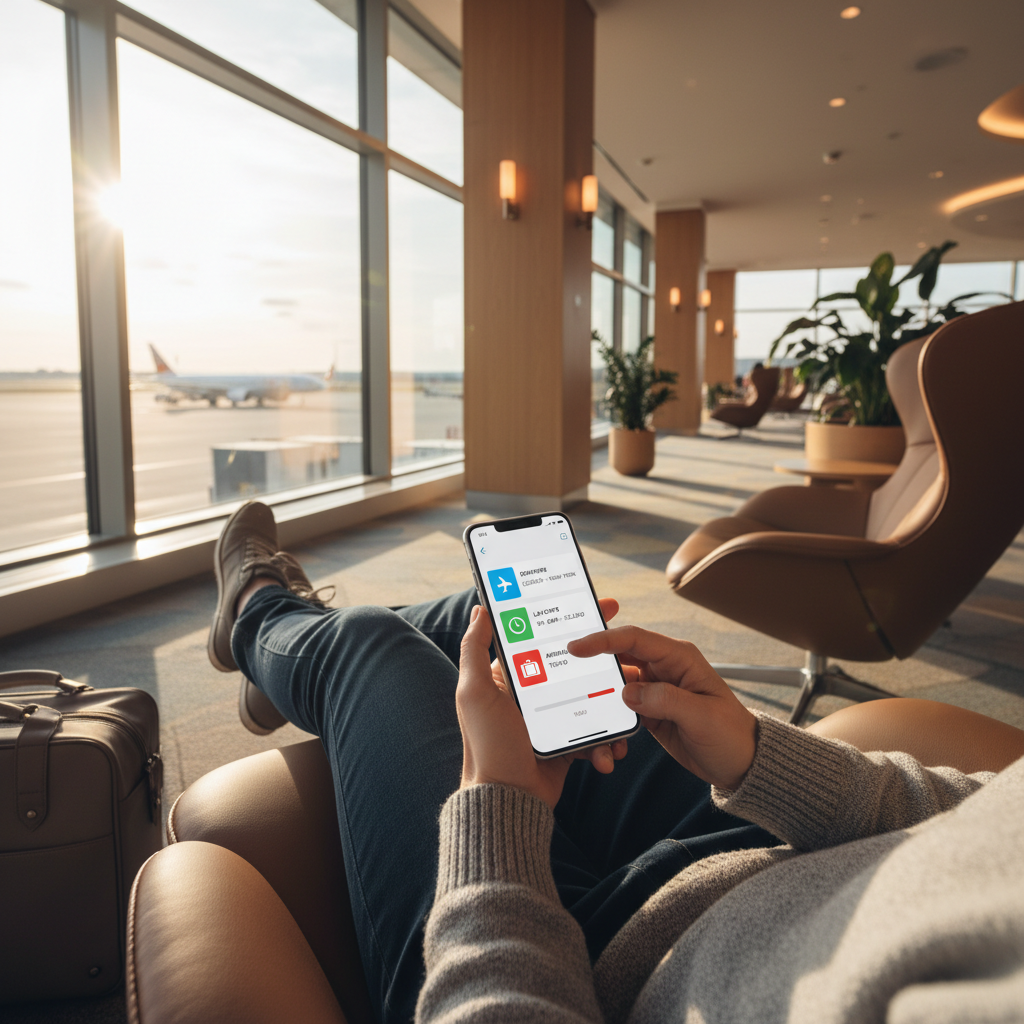
The Role of Connectivity (Most Overlooked Factor)
Even with perfect planning, things change. Flights shift, plans update, and locations change. If you’re not connected, you can’t adapt, you can’t move fast, and you lose control.
The best travelers don’t chase matches; they build systems. They think, “How do I make this trip easy?” not “How do I fit everything in?”
Final Advice
You don’t need to attend more matches; you need a better plan. Pick your cities wisely, reduce movement, and stay flexible. Because in a World Cup spread across continents, logistics is everything. Travel smarter, and you’ll enjoy the World Cup the way it’s meant to be.
Stay Connected, Anywhere You Travel
Skip roaming fees. Get instant eSIM data in 190+ countries.
Frequently Asked Questions
What’s the biggest mistake when planning a World Cup 2026 trip?
The biggest mistake is choosing which matches to attend without first considering the distance and travel logistics between the host cities. This can lead to missed plans, high costs, and exhaustion.
Should I visit multiple countries during the World Cup?
Yes, but it should be minimal and well-planned. A single, organized border crossing, like a trip from the USA to Mexico, is much more manageable than multiple cross-country trips.
How many cities is ideal to visit?
For a smooth and enjoyable trip, aiming for 2-4 cities within the same geographical cluster (e.g., East, West, or Central) is ideal. This minimizes travel time, costs, and stress.
Why is staying connected so important for this World Cup?
With travel plans being so complex, staying connected with a reliable data service like a FastAlo eSIM is crucial. It allows you to adapt to flight changes, navigate new cities, and manage your bookings in real-time without searching for Wi-Fi.
What is 'cluster' travel?
Cluster travel is a strategy where you focus your trip on a group of host cities that are geographically close to each other. For example, staying within an 'East Cluster' (like New York, Philadelphia, Boston) reduces long-distance travel and makes your itinerary much more efficient.
Back to blog